
APRIL
April brings much promise. Warmth, life and a lightness begin to settle in.
TIS THE SEASON_
BRIGHTER AND LIGHTER
APRIL
April brings much promise.
The first of the truly warm sun, enjoyed through the bluster of April winds. The joy of evenings outside, brighter, longer, and a lightness that begins to settle in.
Sticky buds in acid green and vivid pinks appear as leaves return to trees and hedgerows. Petals of yellow, lilac, bright white and soft blush pierce through.
This spring burst of colour always comes as a relief. Each year, a reminder of how significant that relief must once have been when provisions were dictated not by what was in the supermarket, but by what could be found in the fields, the hedgerow and the forests. With winter stores dwindling, these first signs of fresh food returning would have been a real cause for celebration.
The threshold
This time is a gateway. The spring equinox falls in late March, when day and night come into balance and the year tips decisively towards light. In Anglo-Saxon Britain, this period was marked by Ēostre, a goddess associated with the return of light, new life and fertility. Writing in the 8th century, Bede recorded a spring month, Ēosturmōnaþ, named for her.
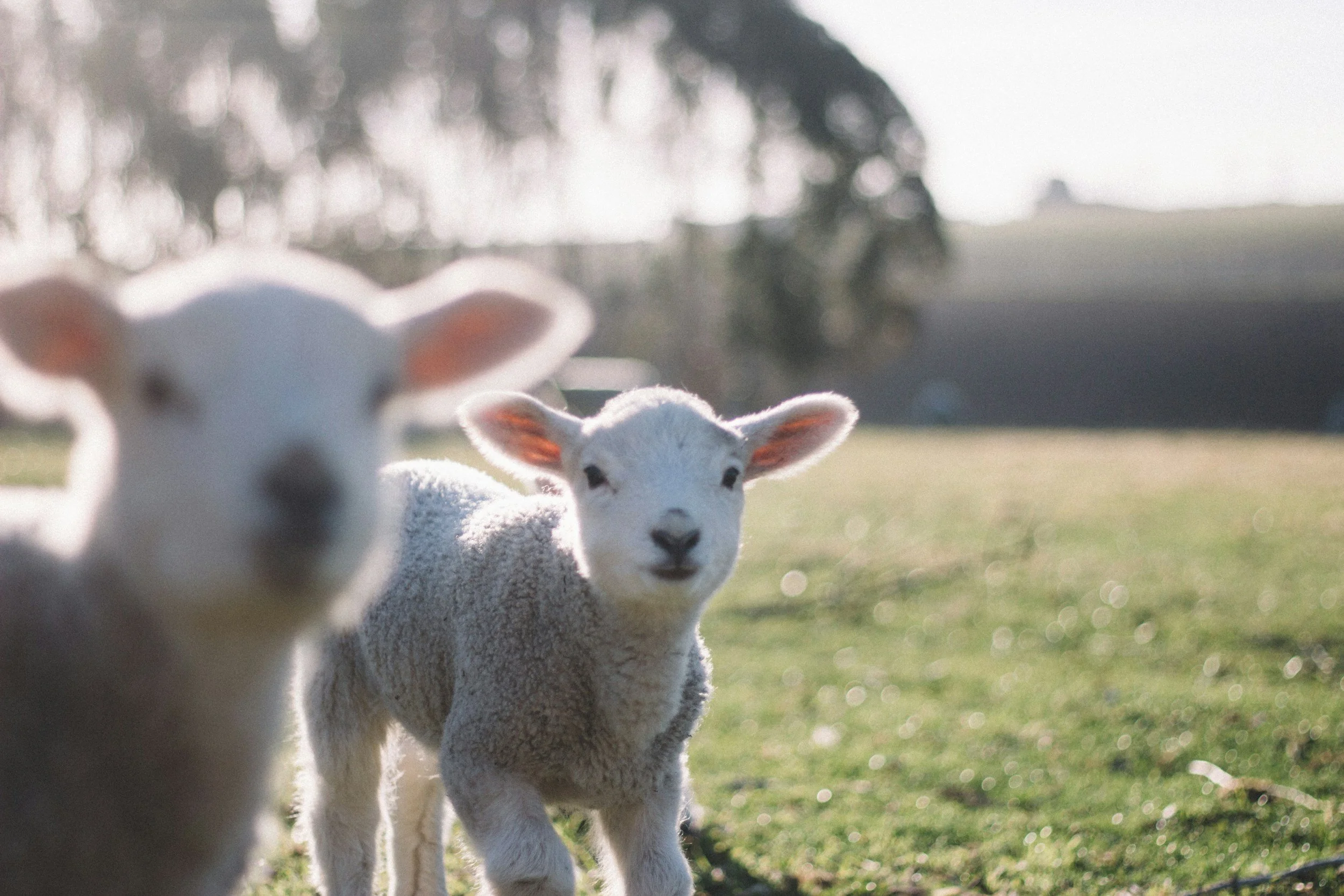
The landscape fills with young and new growth. Lambs in the fields, fresh green pushing through, a sense of life returning in visible terms. Days lengthen, warmth and light reach a point where new shoots hold, animals are born, and food begins to return. This is when the land begins to sustain life again.
Written into folklore, hares belong to liminal spaces, occupying the threshold between night and day, winter and spring, inhabited ground and the wild. In early spring, they return to view at first and last light, moving through open fields, chasing, boxing, a visible sign of the season’s fertility. Hens lay more reliably as daylight increases, turning eggs from scarcity into something gathered daily again.
These symbols of spring carry into Easter. Its date, set by the first full moon after the equinox, ties it to both solar and lunar cycles. Its customs follow the season. Eggs, lamb, feasting. Not decoration, but a reflection of what is now available, what can be gathered, cooked and relied upon after winter.
Returning abundance
At the end of March, clocks move forward with British Summer Time, extending usable daylight into the evening. By mid-April, sunset approaches 8pm in central England, adding several working hours to the day. Soil temperatures rise above the threshold for germination.
Across the landscape, colour builds, fresh yellow and sharp greens, hedgerows filling out, fields carrying growth again. Fresh food begins to appear in abundance.
Wild garlic, nettles and early greens grow wild, offering the first fresh food after months of stored provisions. Rhubarb is one of the earliest crops of the year, cut through the month, its sharp, bright flavour a contrast to the slower, heavier foods of winter. Asparagus season traditionally begins on 23 April and runs through to Midsummer. It was once widely known as “sparrow grass”, a corruption so common that by the late eighteenth century it was said to sound more familiar than asparagus itself, a name that held in rural England well into the twentieth century.
Daffodils appear early and in numbers across verges, churchyards and open ground, and have become one of the most reliable markers of the season. Brought to Britain from southern Europe during the Roman period, they were valued for their supposed medicinal properties, the sap believed to treat wounds, though it is in fact toxic if misused. Some accounts suggest they were planted in memory of fallen soldiers, though the evidence is uncertain.
Work follows quickly. Fields kick into life, grass grows, blossom moves through orchards, and movement returns across the landscape. Gardens follow, shifting from preparation into sowing and planting.
April is a season of return, of light, of abundance. What was once scarce becomes visible again, food, colour, life in the fields. It is not just the start of something, but something to be marked, gathered and celebrated.
RELATED READING
-
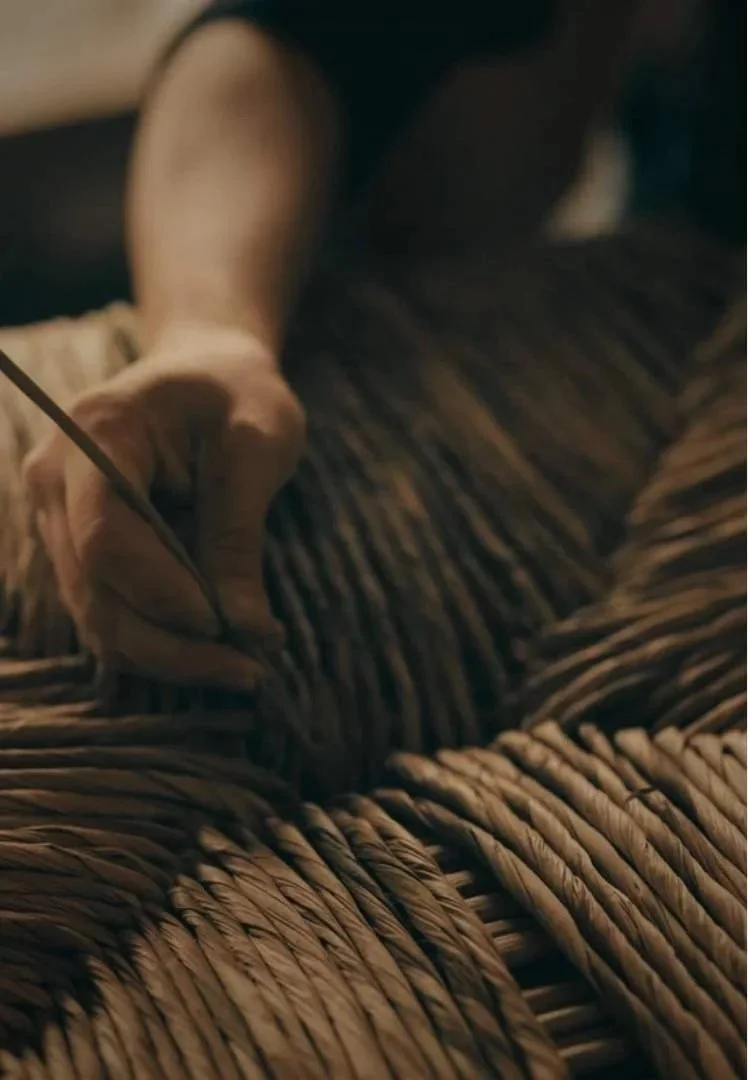
GOOD WORK BY GOOD PEOPLE The Notswolds Summer Makers Market
This June, the showrooms of Claire Langley Antiques in Stamford will host Notswolds for a ten-day festival celebrating contemporary craft. The Summer Makers Market brings together a well edited market of independent makers and a programme of workshops and gatherings.
-
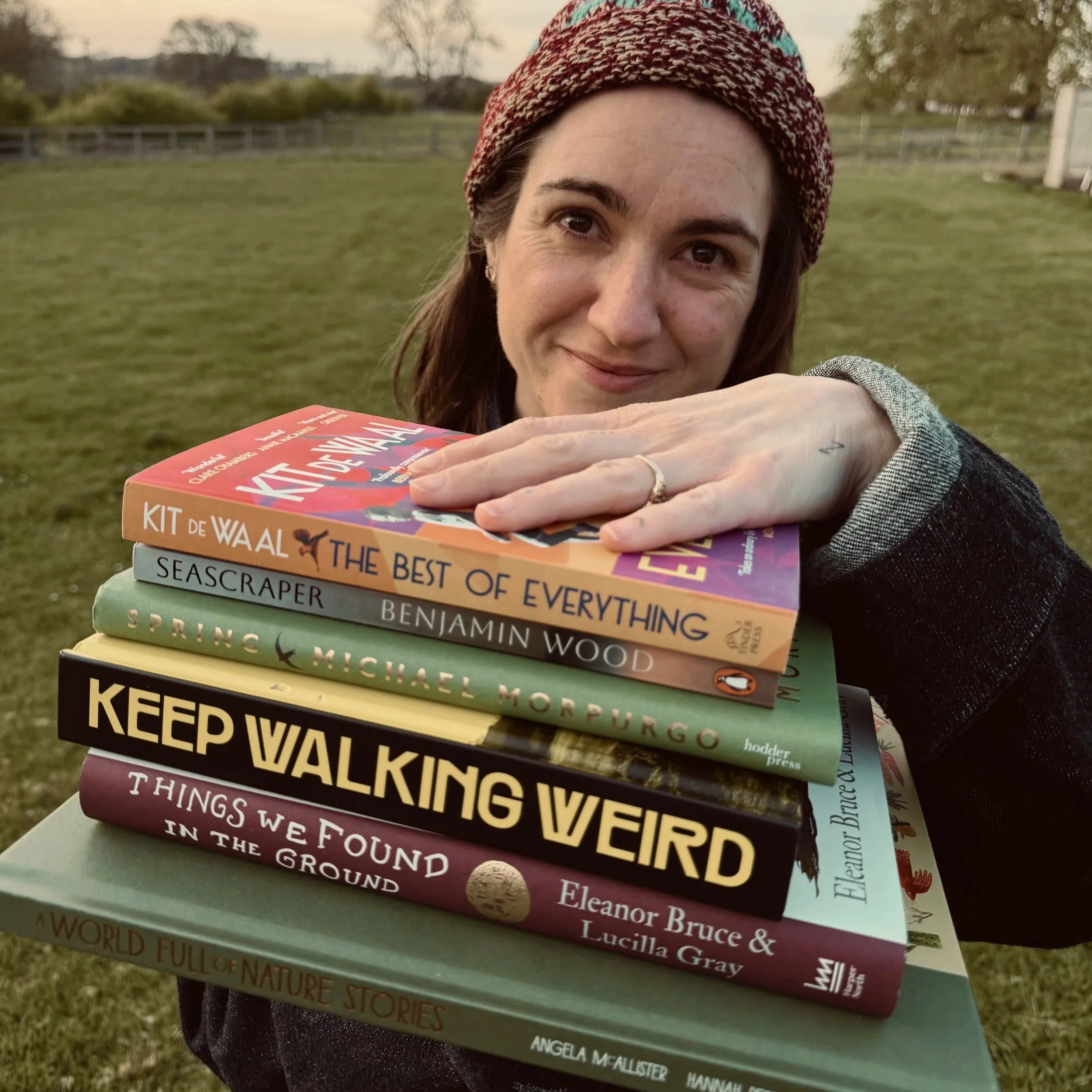
APRIL READING LIST
As colour returns to the landscape, April brings a different pace. More time outside, more to notice. This month’s selection follows that change, books for being outside, for noticing more, and for returning to as the season unfolds.
-
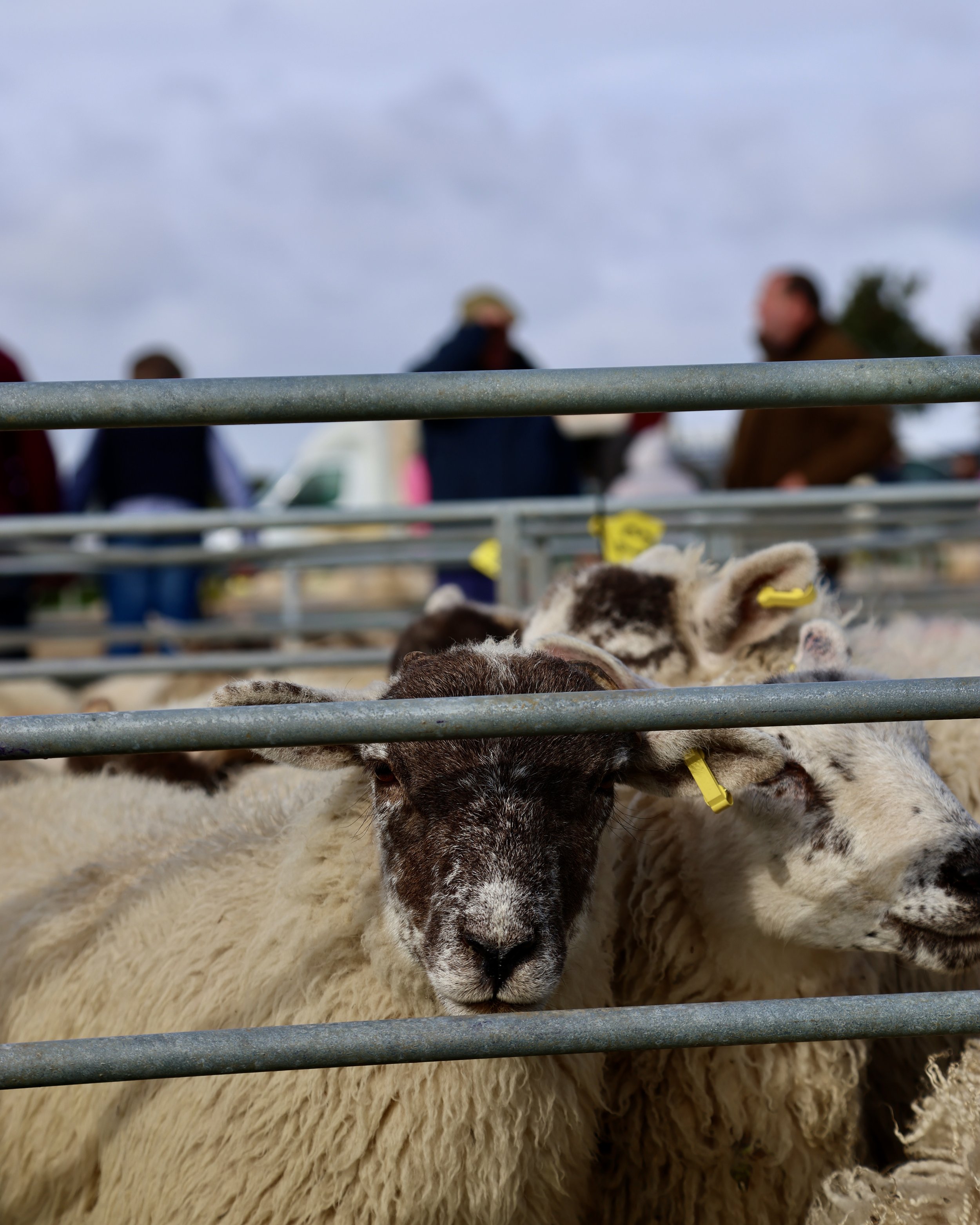
SHOW SEASON
From sheep fairs and ploughing matches to fat stock shows and village days, these are the events that sit at the centre of rural life. As show season starts, we’ve brought together the key dates across the Notswolds, a guide to the events and gatherings that continue to define the year.