
SIX MAKERS TELL US WHAT ‘GOOD CRAFTSMANSHIP’ MEANS TO THEM
Good craftsmanship isn't a style. It's a way of working. We ask six makers whose work we respect what good craftsmanship means to them. Not as a definition but something lived out in practice.
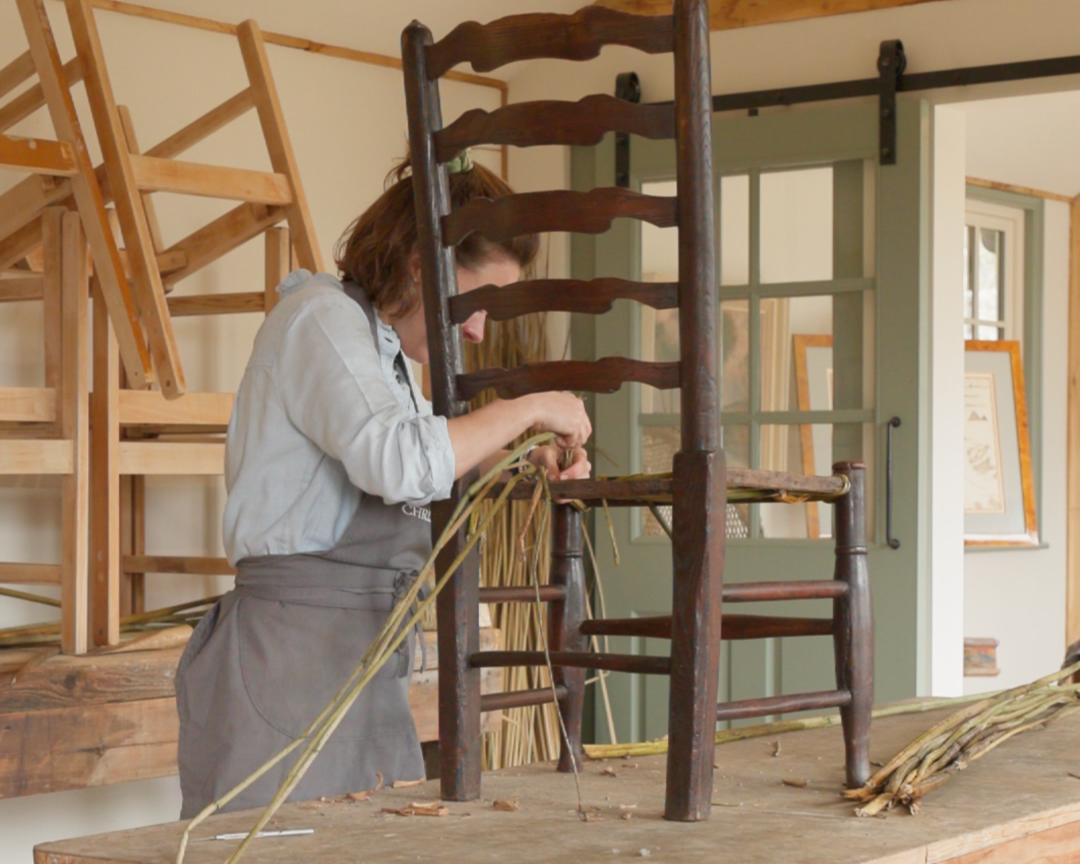
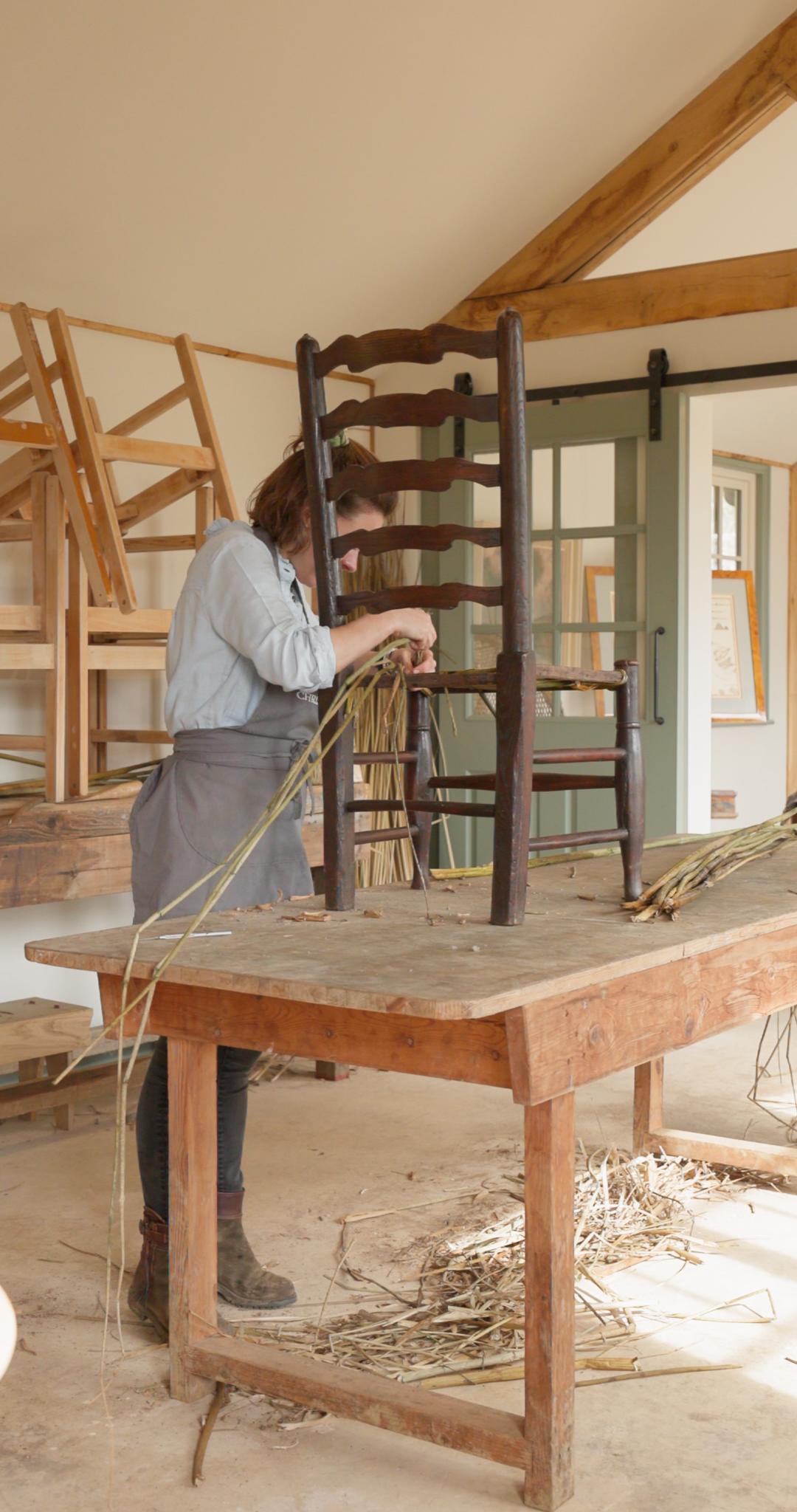
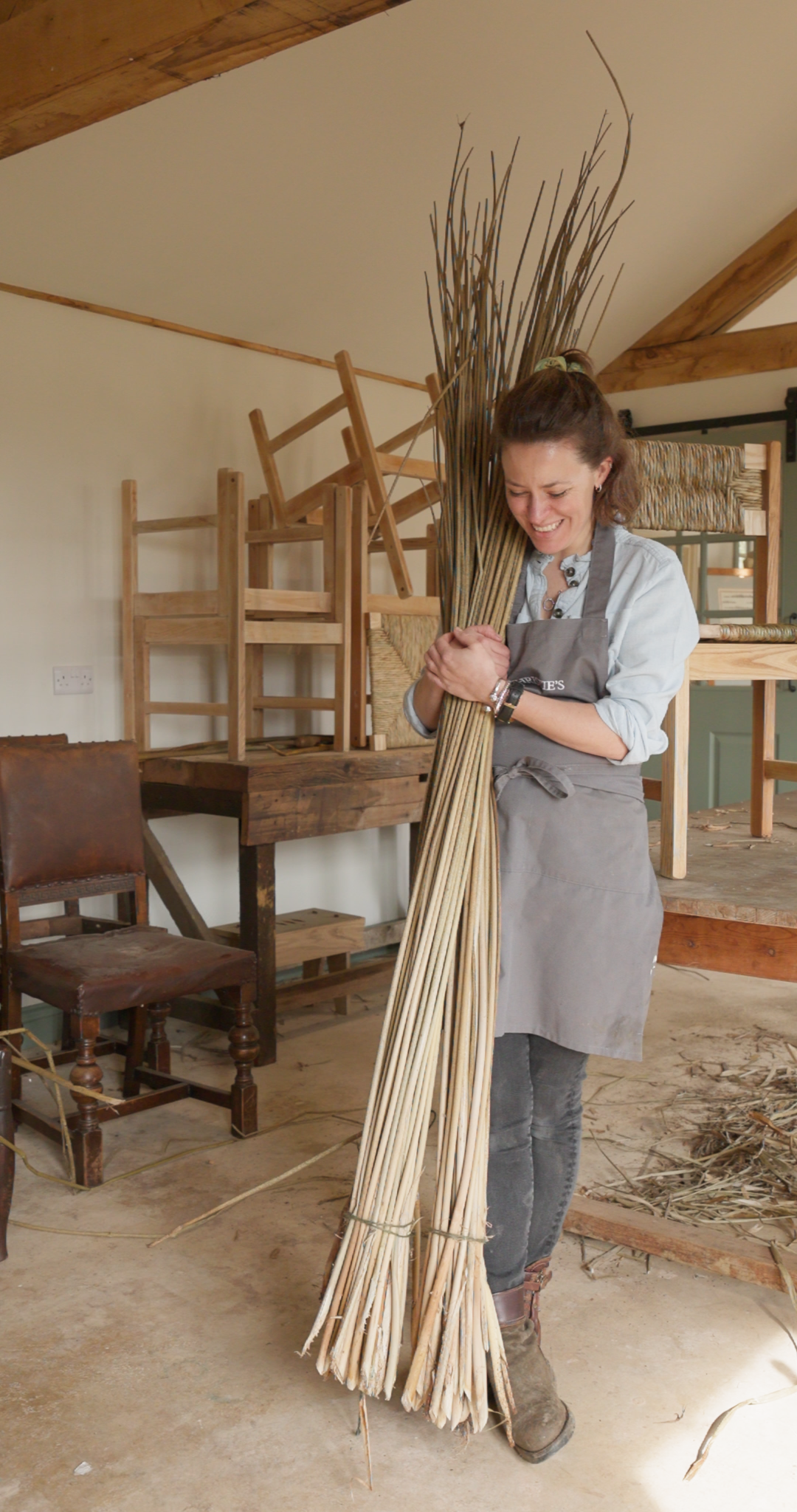
The Rush Project, part of Summerfield + Scott’s work, is dedicated to promoting rush as a renewable, locally sourced material in furniture making and restoration.
Good craftsmanship isn't a style. It's a way of working. It shows up in decisions most people never see. The choice of material. The time taken. The restraint to leave something as it is, rather than overwork it.
We ask six makers whose work we respect what good craftsmanship means to them. Not as a definition but something lived out in practice.
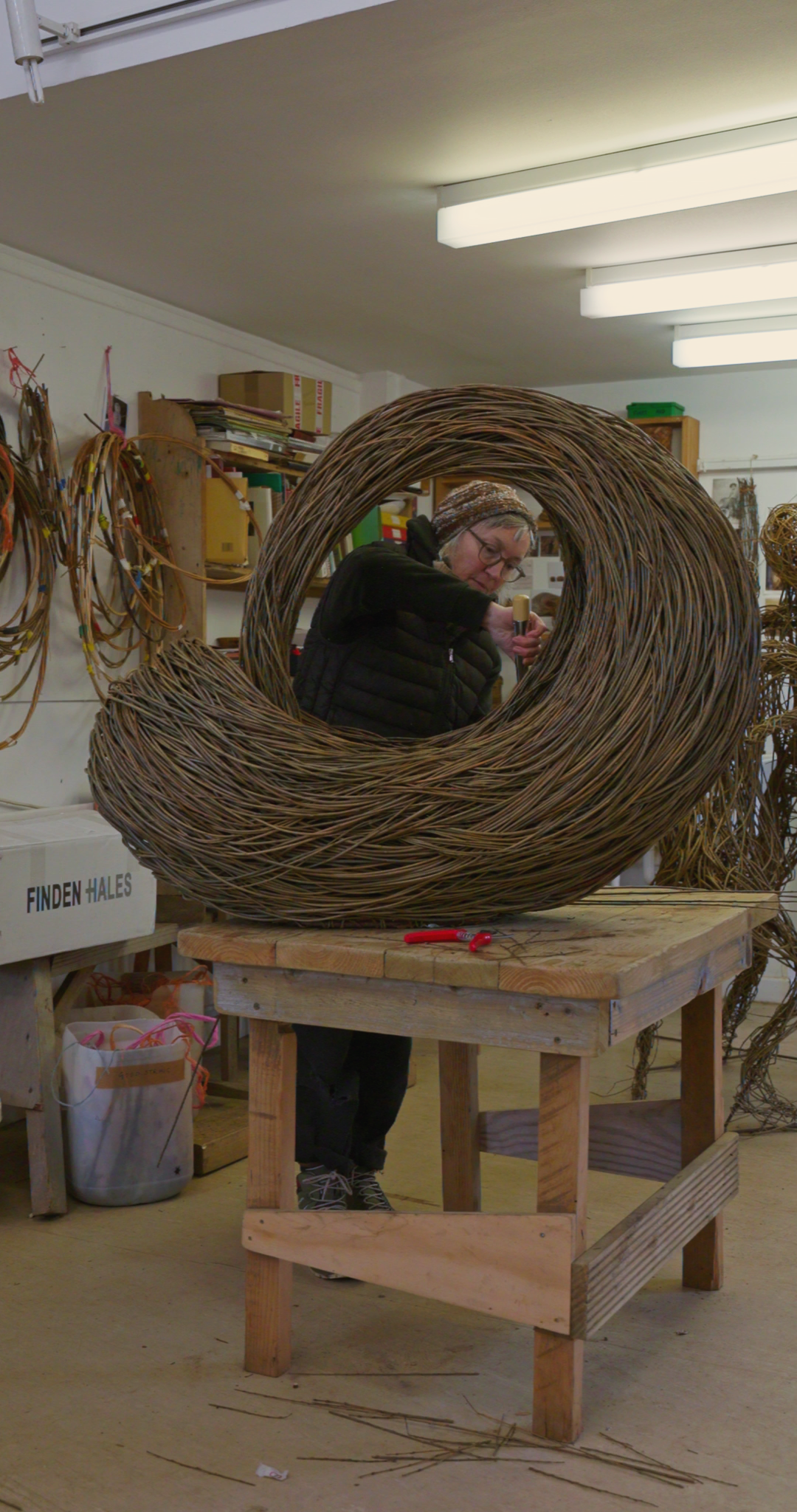
“Good craftsmanship should sing to you. It should move you either emotionally or it should make you want to hold it or touch it. So it's not just about how well it's been made but it should have this aesthetic beauty and a real tactile quality at the same time. You then know that the person who's made it has got years and years and years of skill and experience behind them, and they know their material really well.”
Sue Kirk, willow baskets and sculpture
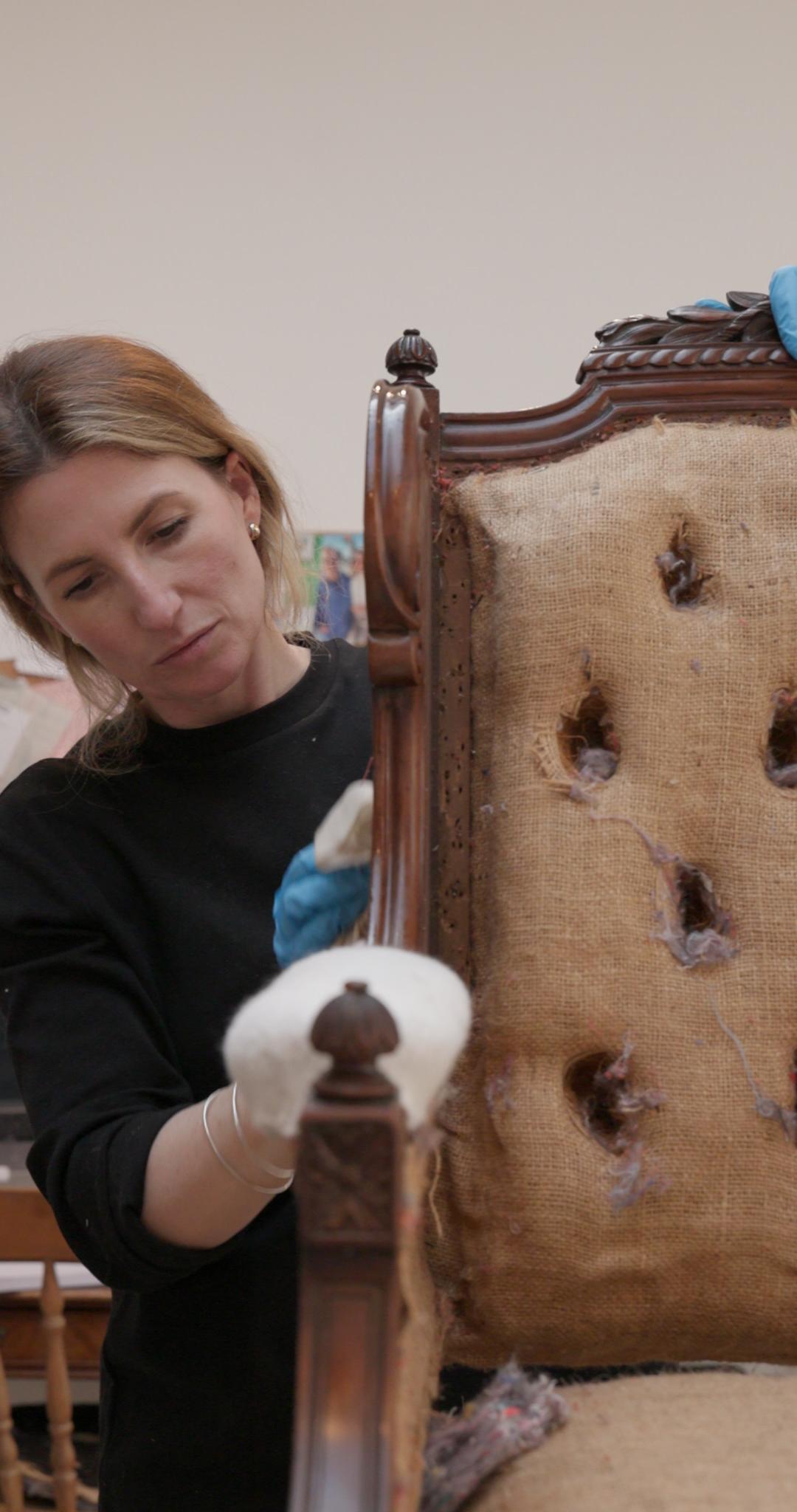
“It’s all in the finish. My work is built in layers, so for the finish to be flawless, every layer under the last needs to be perfect, otherwise the next layer won't be. The attention to detail isn't just for aesthetics, it’s to ensure longevity and sustainability for a piece that can withstand time.”
Rose Raw -Rees, upholstery
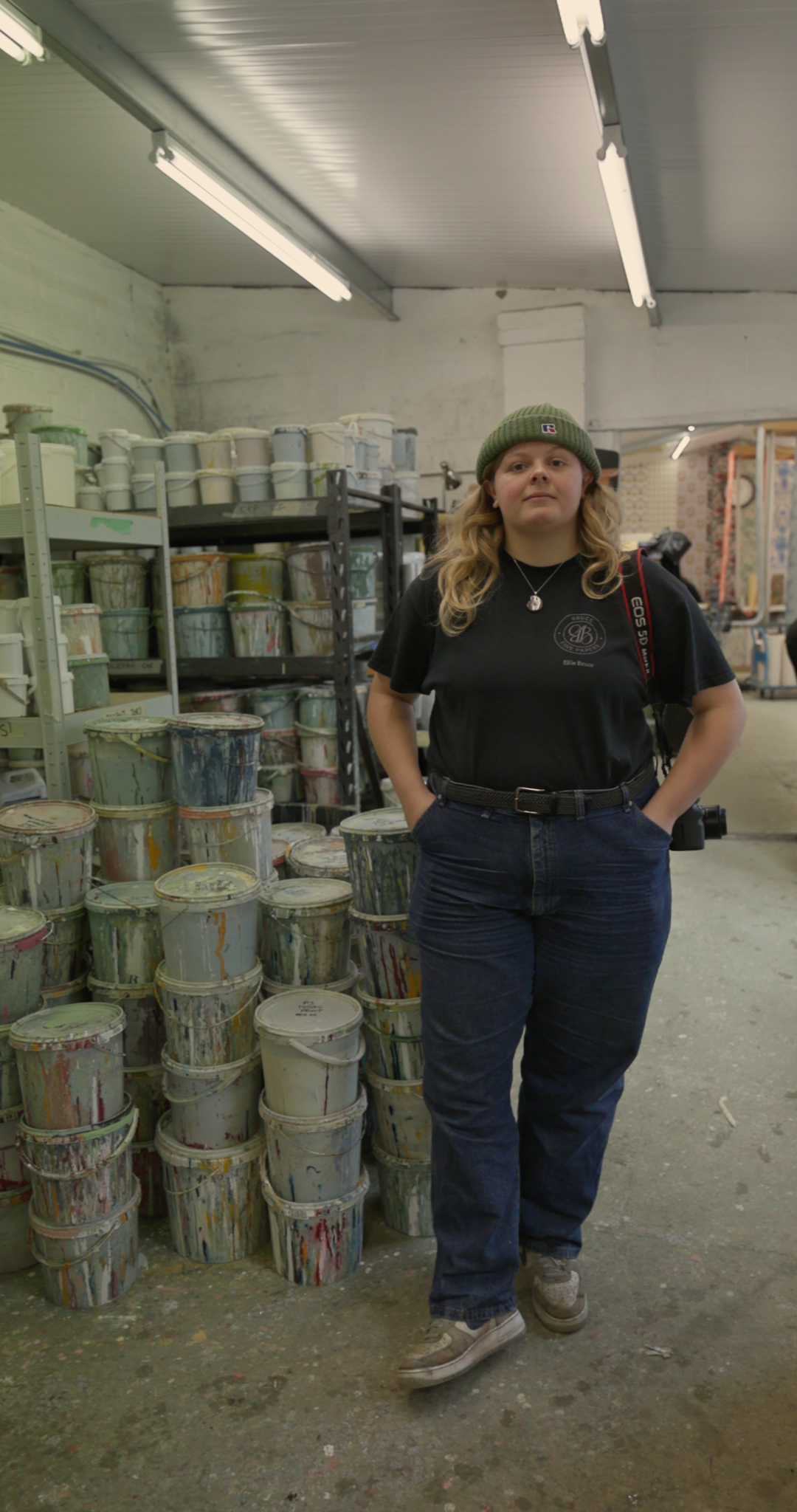
“It’s in the texture, the imperfections, the marks which have been made only by the human hands in crafting the piece.”
Bruce Fine Papers, block printed wallpaper
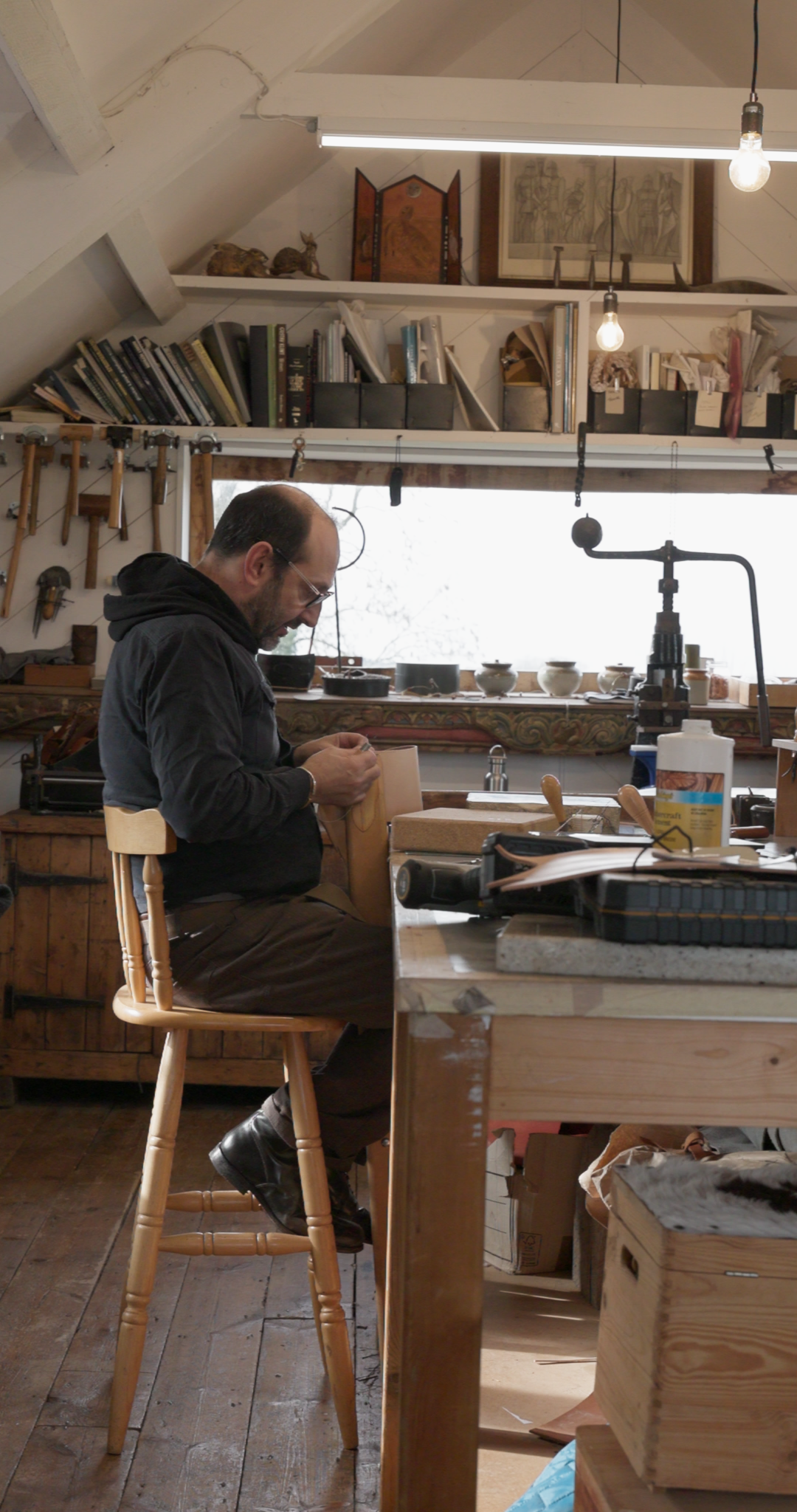
“To me it looks like originality. I'm not a great one for achieving perfection. There's certain things that you can't live with if you want to do something and be proud of it. But at the same time I can't follow the order of icy perfection.
I think (Charles Rennie) Mackintosh said 'there is hope in honest error; none in the icy perfections of the mere stylist'.
I often show people an old Sadler's tool bag that I bought at auction and it's from the 19th century I think. They all love it and nothing is perfect about it. There's wonky stitching, there's repaired areas. So I think good craftsmanship involves authenticity and originality not perfection.”
Justin Capp, leatherwork
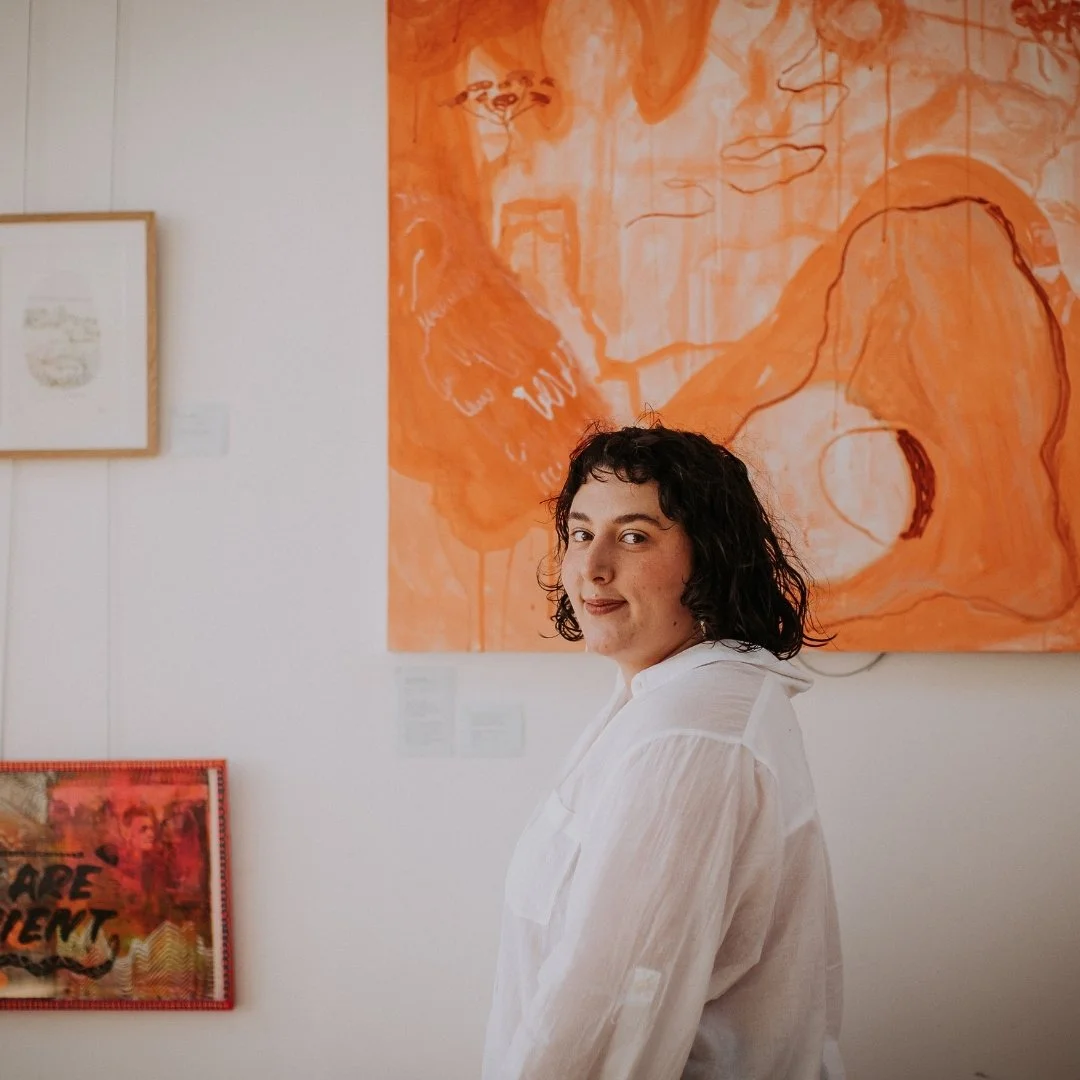
“I am not in the business of marking ‘good’ and ‘bad’. Those terms don't exist in creativity. ‘Good’ craftsmanship and creativity is when the person making it entered a state they can’t when not making.”
Anna Roberts-Finn, artist
“It's really simple. It's got to stand the test of time: both in terms of design and production.
Is the design timeless, and will the manufacturing stand up to that time? With something that you've made, can you say, I am confident that that is going to last for the next 50, 100 years and beyond, or be repairable within that time.”
Summerfield + Scott, furniture restoration
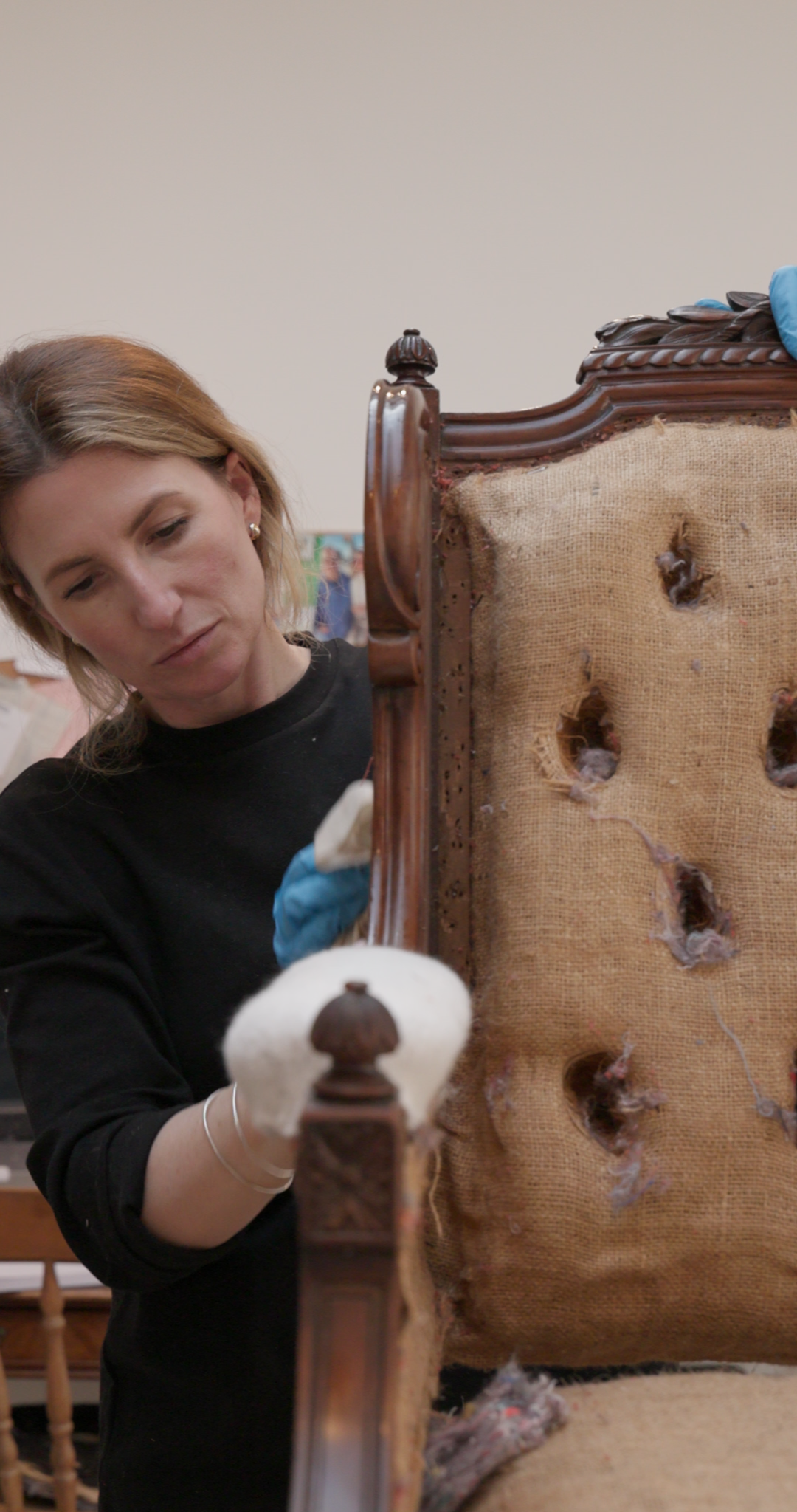
ROSE RAW-REES IN CONVERSATION
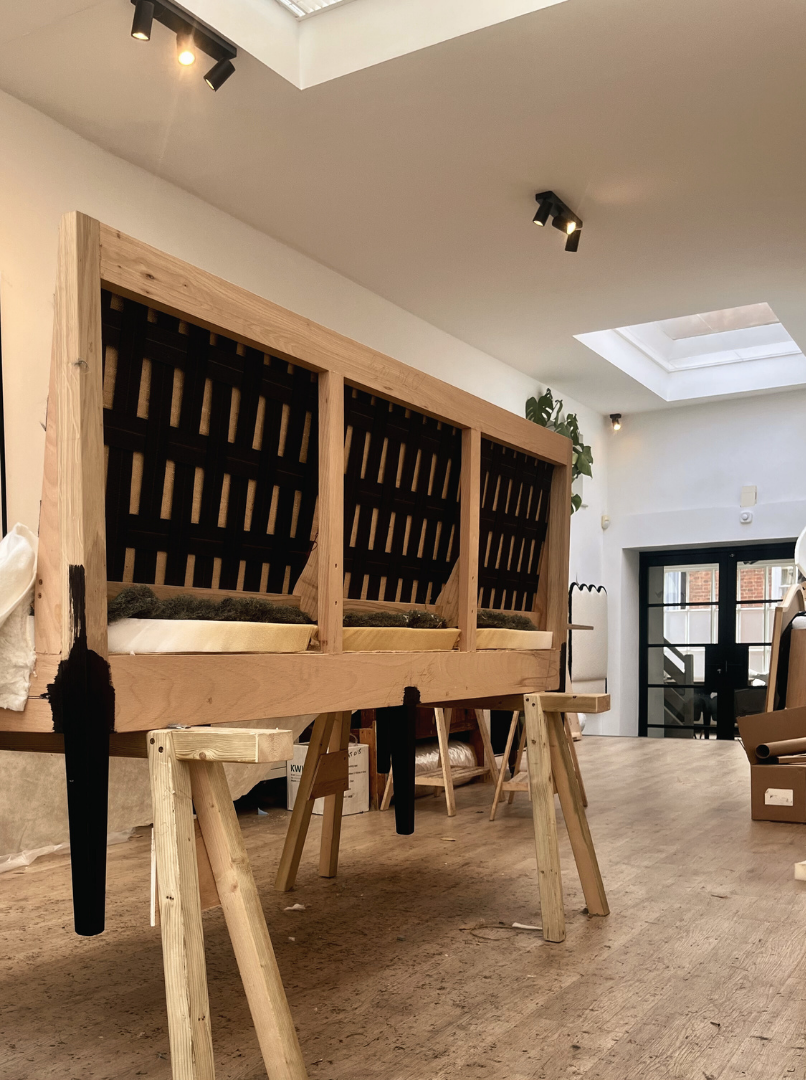
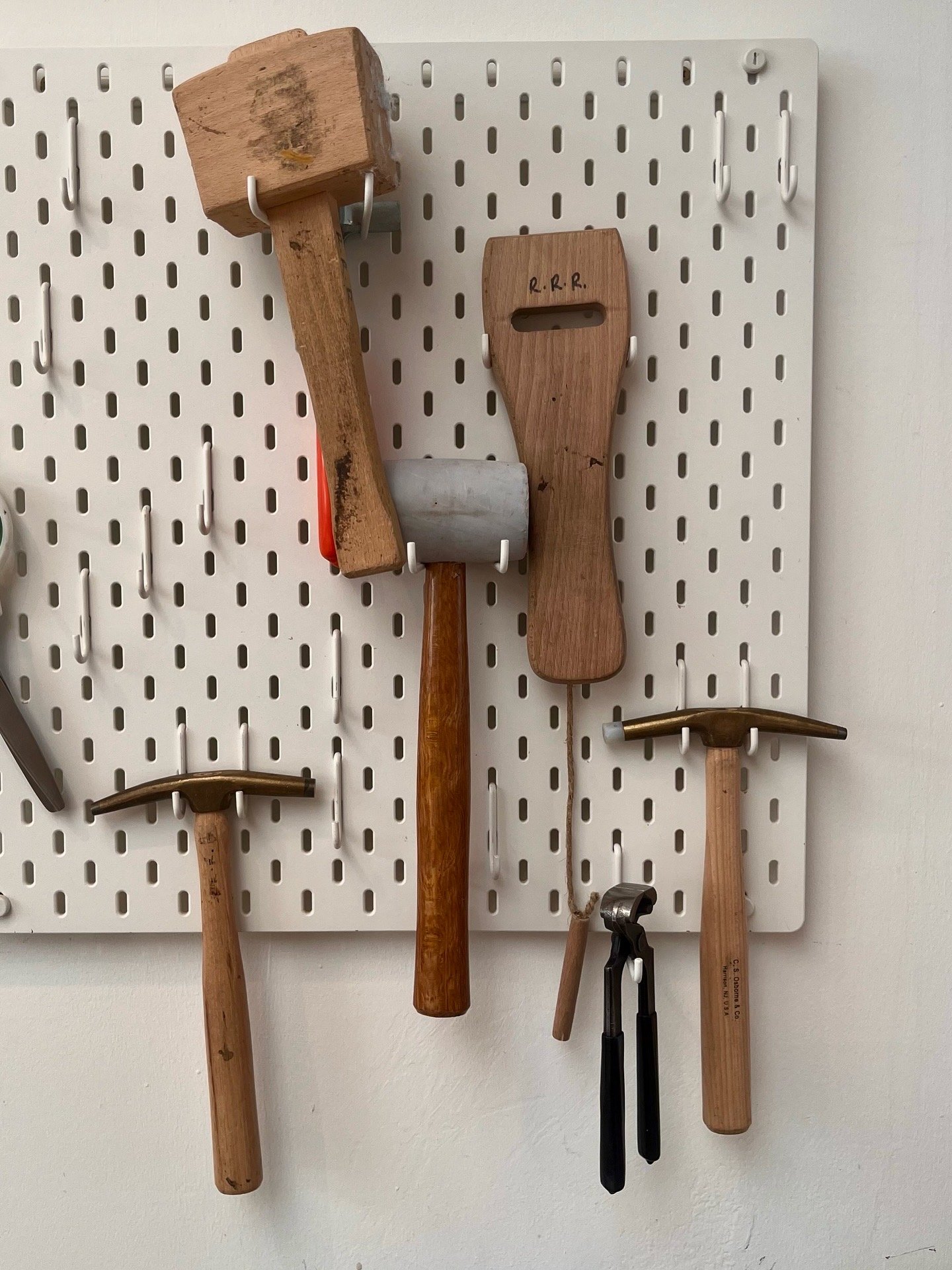
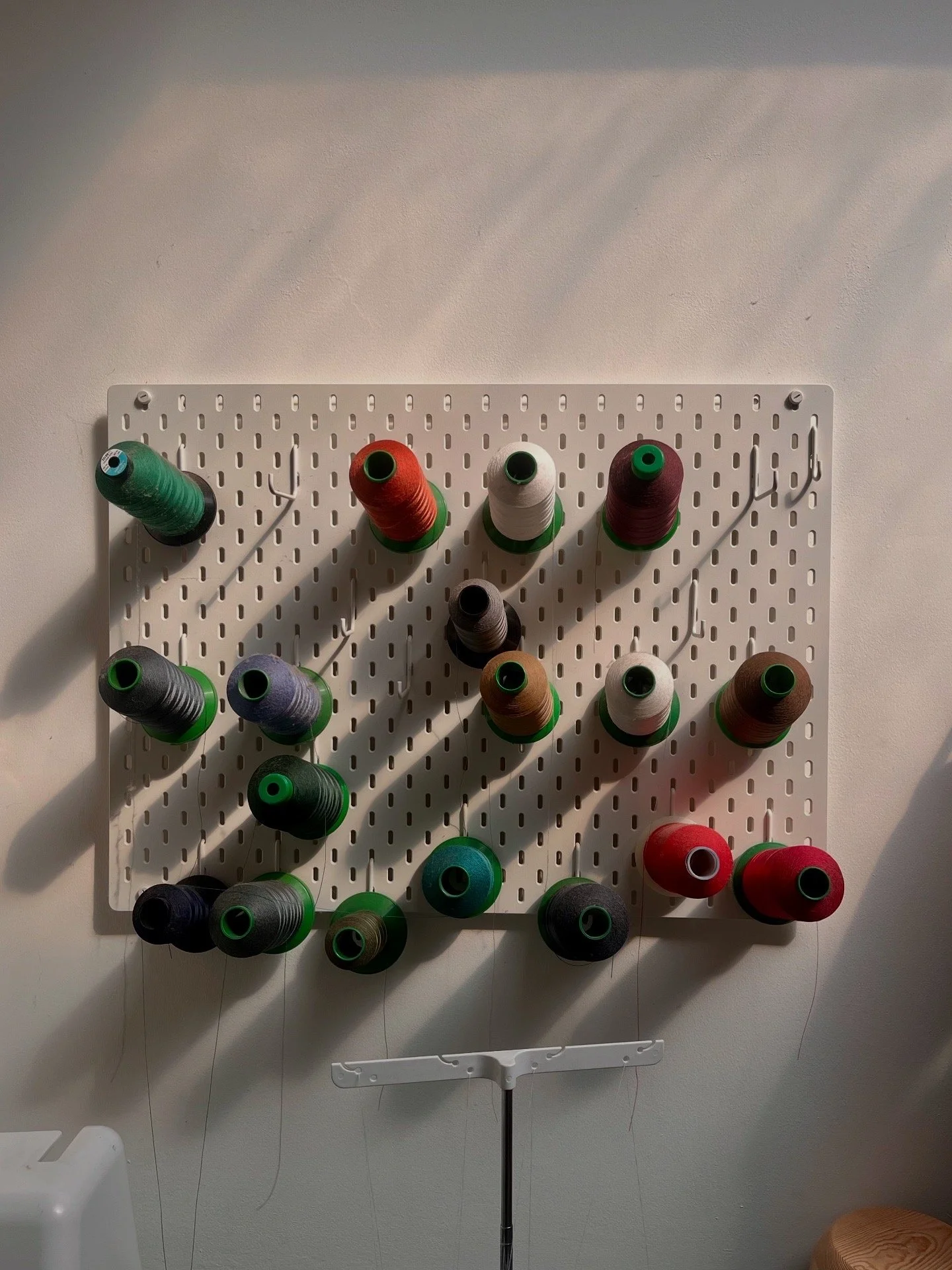
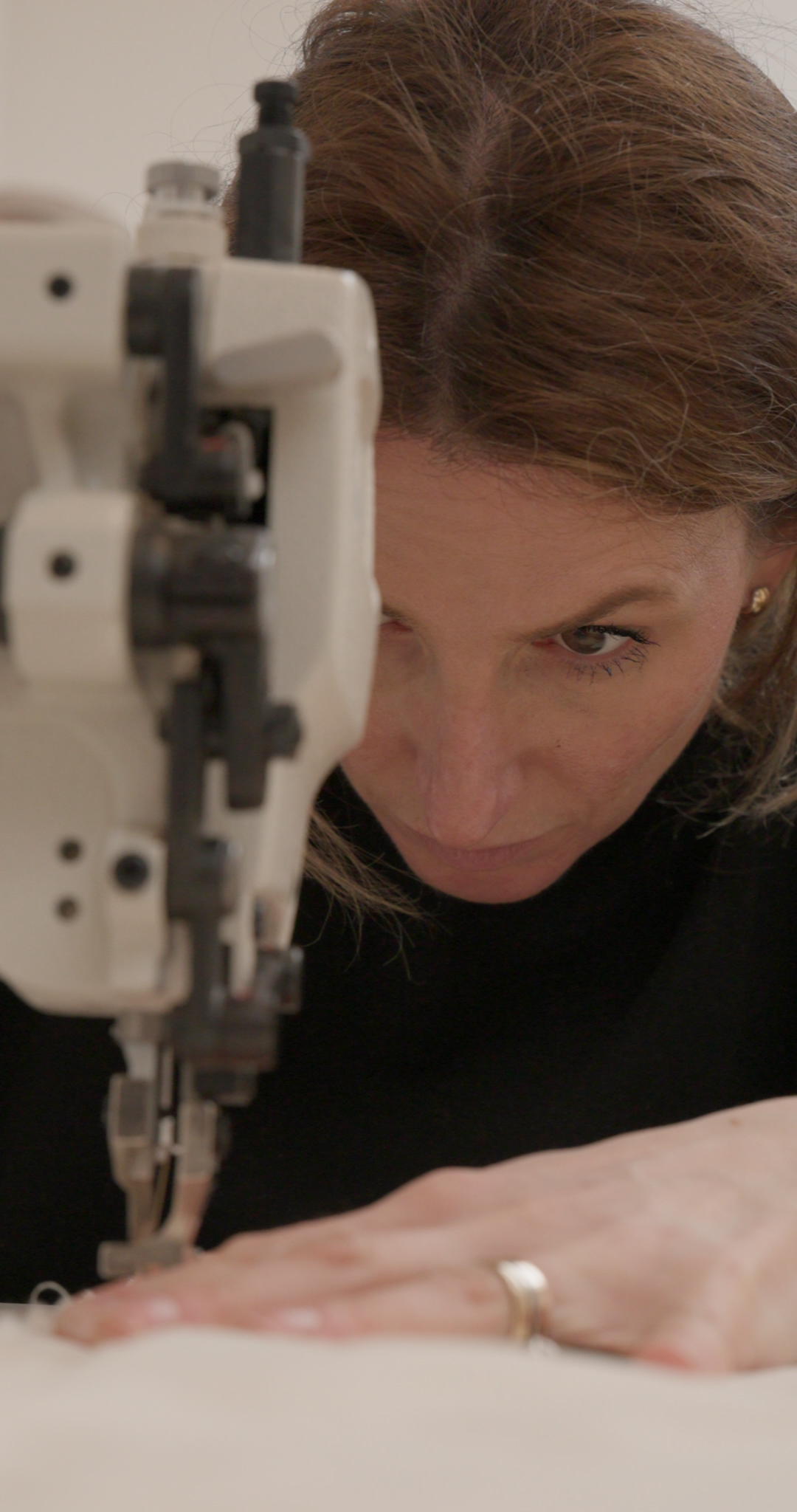
A piece in progress at the Rose Raw-Rees workshop in Grantham.
Working across both traditional and modern upholstery, Rose Raw-Rees rebuilds furniture with a clear sense of structure, longevity and use. Her practice moves between restoration and bespoke work, from reviving older pieces to shaping new ones, each built up in layers and finished with precision. There’s a physicality to it, a process that is as much about understanding what sits beneath as what is seen on the surface.
Her path into the craft began in 2012, working in a renowned traditional upholstery workshop in West London. After moving back to her native Lincolnshire, she went on to train in both traditional and modern upholstery before establishing her own studio in Grantham. What holds her there is the variation, the shift from one piece to the next, and the satisfaction of a well-resolved finish.
Rose discusses the rhythm of her studio, the appeal of transformation, and the instinct that underpins both her work and the homes her pieces go on to inhabit.
What does a typical day in your studio or workshop look like?
It is rare that any two days are the same, as every piece varies so significantly. I switch from rebuilding a pair of armchairs into to recovering a sofa, into making a deep buttoned stool. There is a constant changing of scenery in the studio and I love that.
How did you first get into your craft and what keeps you doing it.
Before I trained, I spent nearly a decade managing a team of upholsterers, and I marvelled at their skill and the tangibility of their work. I loved watching them stitch the stuffing and lash the springs, it looked like wizardry, so I decided to take up a diploma and make a go of it myself. The learning never ends, and the best jobs are those that teach me something new.
What do you love most about your work and why?
There is something incredibly satisfying about creating something from start to finish. I also love a transformation story or makeover piece.
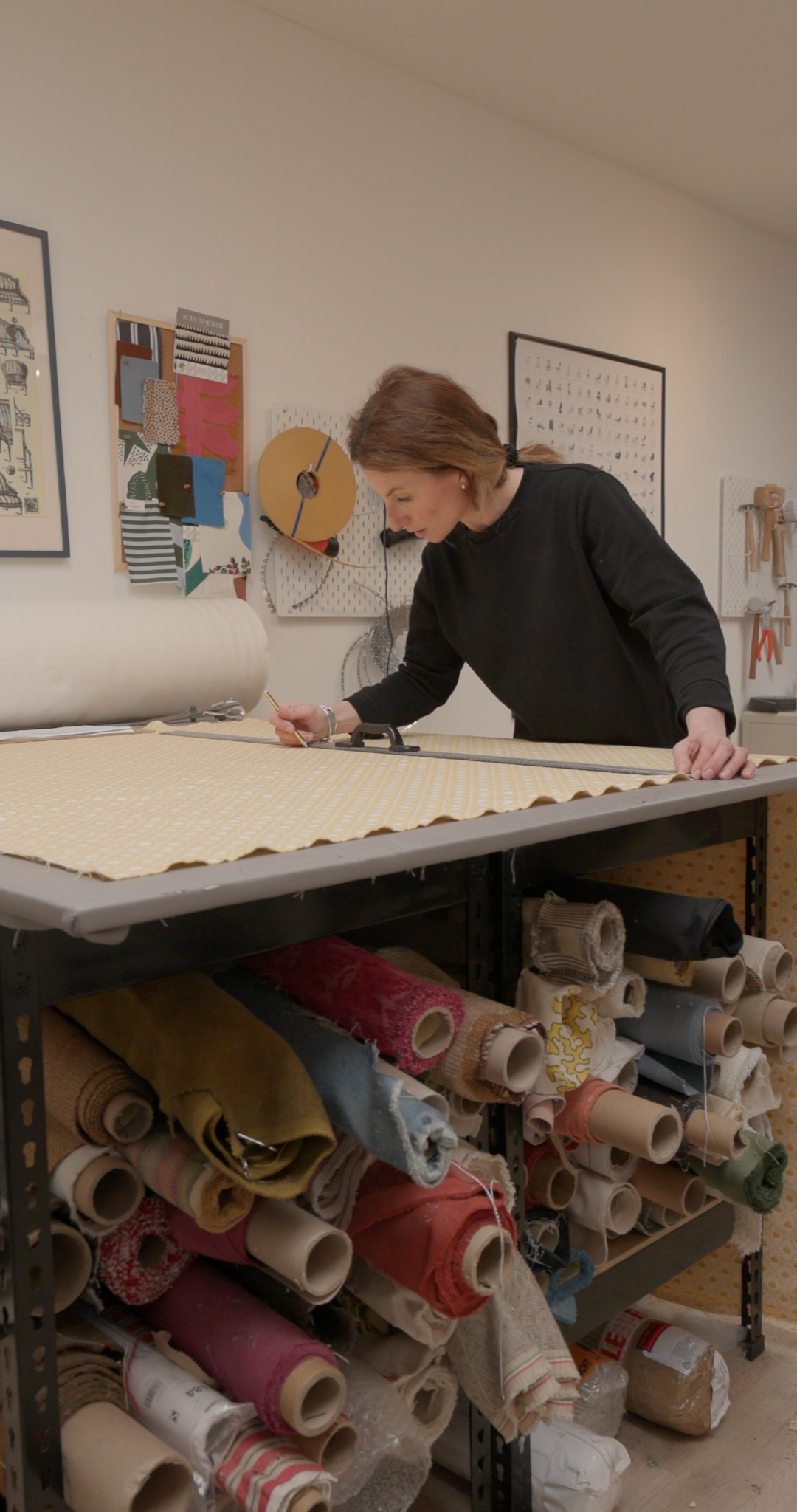
What object in your home or workshop would you never part with, and what’s its story?
My fabric shears, a gift from my husband when I started my diploma, engraved with my initials. Precious.
The best advice you’ve ever got or given?
Trust your instincts. I tell my clients this when they are choosing fabrics, which can be such a difficult decision. If you instinctively love something, not because of a trend or influence, but because it feels right, then it will always be the true choice.
What does good craftsmanship look like?
It’s all in the finish. My work is built in layers, so for the finish to be flawless, every layer under the last needs to be perfect, otherwise the next layer won't be. The attention to detail isn't just for aesthetics, it’s to ensure longevity and sustainability for a piece that can withstand time.
What brought you to the Notswolds and what keeps you here?
We left the City to give the children more space to roam, and the roots seem to have grown really deep.
Where do you live and what do you love about it?
We live in Grantham, in a Georgian town house which was love at first sight. We have always filled it with people, and with that comes endless memories.
Rose’s recomendations for living in the Notswolds
Walk “Tall Trees” as we affectionately call it - behind Belvoir Castle
Pub Chequers at Woolsthorpe
Cafe The Garden Yard, Grantham
Lunch Finch’s Arms in the summer
Dinner Langar Hall
Shop Rutland Nursery. Impossible not to spend money there.
Day out Burghley House. There’s something to meet each member of the family's needs
CHLOE JONASON IN CONVERSATION
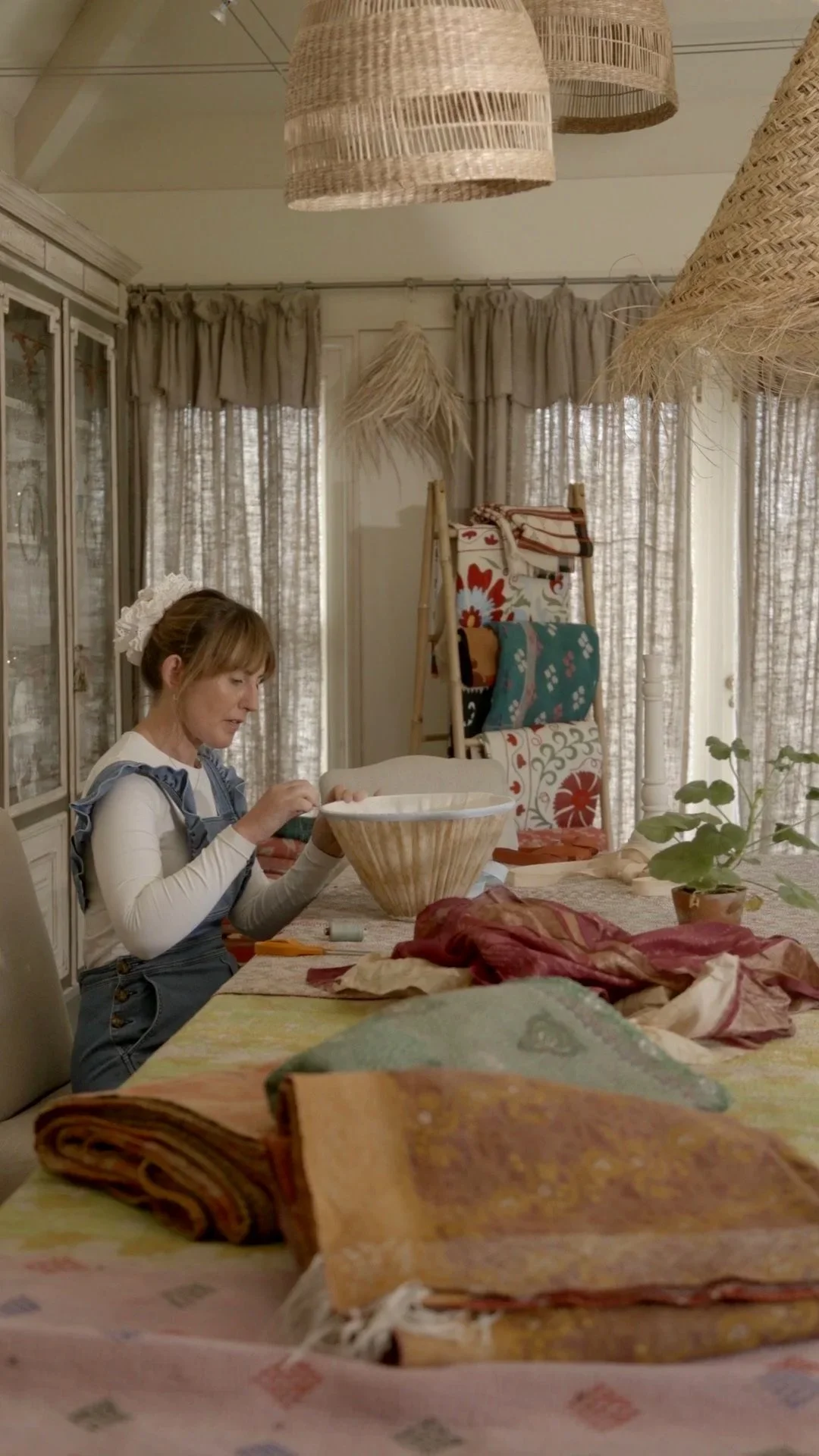
A lampshade in progress at Chloe Jonason & Co, made by hand in her Lincolnshire studio.
Bringing together vintage textiles and timeless design, Chloe creates bespoke soft furnishings, upholstery and homewares with a focus on sustainability and craftsmanship. Based in the Lincolnshire countryside, her passion for interiors began with her own home and grew into a business dedicated to helping others fill their spaces with character and charm. She believes your home should be as unique as you are and loves nothing more than helping people personalise their space.
Every May, Chloe hosts The Orchards Brocante, a unique shopping experience in the garden of her home, bringing together her favourite vintage sellers and designers. It’s the perfect chance to find one-of-a-kind treasures in a beautiful setting.
Chloe discusses her inspirations, creative process and the direction her work is taking.
How would you describe your work?
I create bespoke, handcrafted interiors that feel personal, lived-in, and full of personality. I love working with vintage textiles and sustainable materials to make unique pieces that stand the test of time. Everything is thoughtfully made, with an emphasis on slow design and craftsmanship.
What inspires you?
I’m constantly drawn to history, whether it’s grand country houses, antique fabrics or traditional craftsmanship. I love the idea of giving old pieces new life and blending past and present to create something truly special.
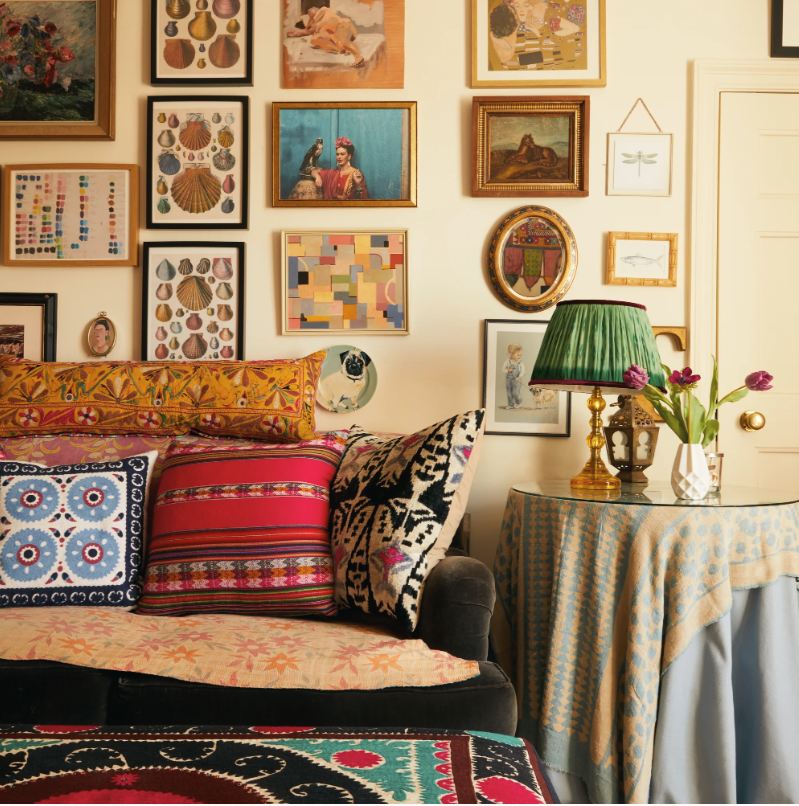
An eclectic mix of vintage art in Chloe’s home in Lincolnshire.
You work with a lot of vintage textiles—how and where do you source your materials?
Sourcing is one of my favorite parts of the process. I spend a lot of time hunting for beautiful fabrics, whether it’s at antique fairs, textile dealers, or even markets abroad. I love discovering pieces with history - vintage saris, old French linens, handwoven suzanis - each one has a story to tell. I also try to repurpose and reuse as much as possible, giving forgotten fabrics a new lease of life in people’s homes.
What draws you to a particular fabric or piece when sourcing materials?
Sourcing is one of my favourite parts of the process! I spend a lot of time hunting for beautiful fabrics, whether it’s at antique fairs, textile dealers or even markets abroad. Some fabrics just have an irresistible quality - maybe it’s the softness of an aged linen or the intricate embroidery on a vintage textile. I also look for pieces that feel timeless and versatile, so they can work in a variety of interiors. If something makes me stop in my tracks, I know it’s special! It’s usually a mix of colour, texture and history. The colour palettes of vintage fabric are so inspiring they have a faded elegance not seen in mass-produced modern-day materials.
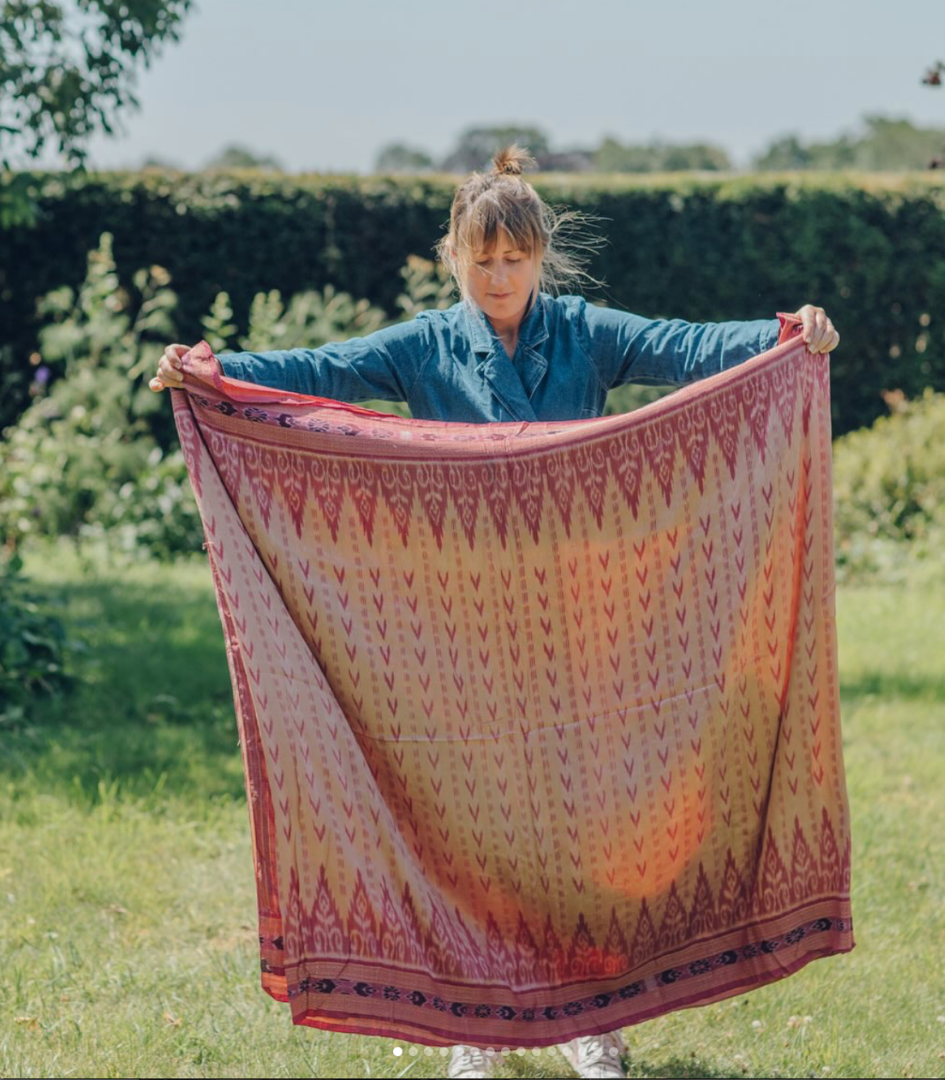
The studio creates custom furnishings using vintage textiles drawn from around the world and selected for their colour, character and artisan quality.
Why do you think your work resonates with people?
I think people love the personal, handmade element. There’s something special about knowing a piece has been thoughtfully crafted rather than mass-produced. It adds warmth and soul to a home.
What projects are you excited about right now?
I’ve been working on a new collection of Chik blinds, crafted with natural dyes to match any Farrow & Ball shade. Our unique display solutions for vintage fabrics are always evolving. Particularly popular right now are our stretched Suzani wall hangings and custom lampshades.
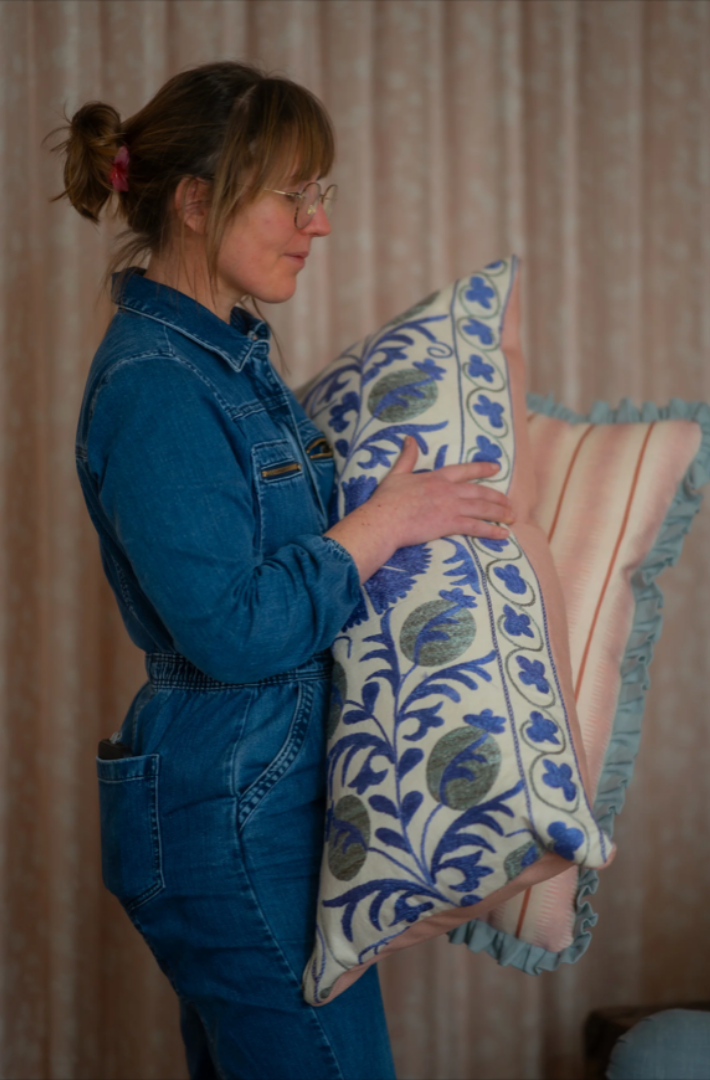
Chloe’s work centres on sourcing and reworking beautiful vintage fabrics, celebrating their patina, texture and story while reimagining them for contemporary homes.
CLAIRE LANGLEY IN CONVERSATION
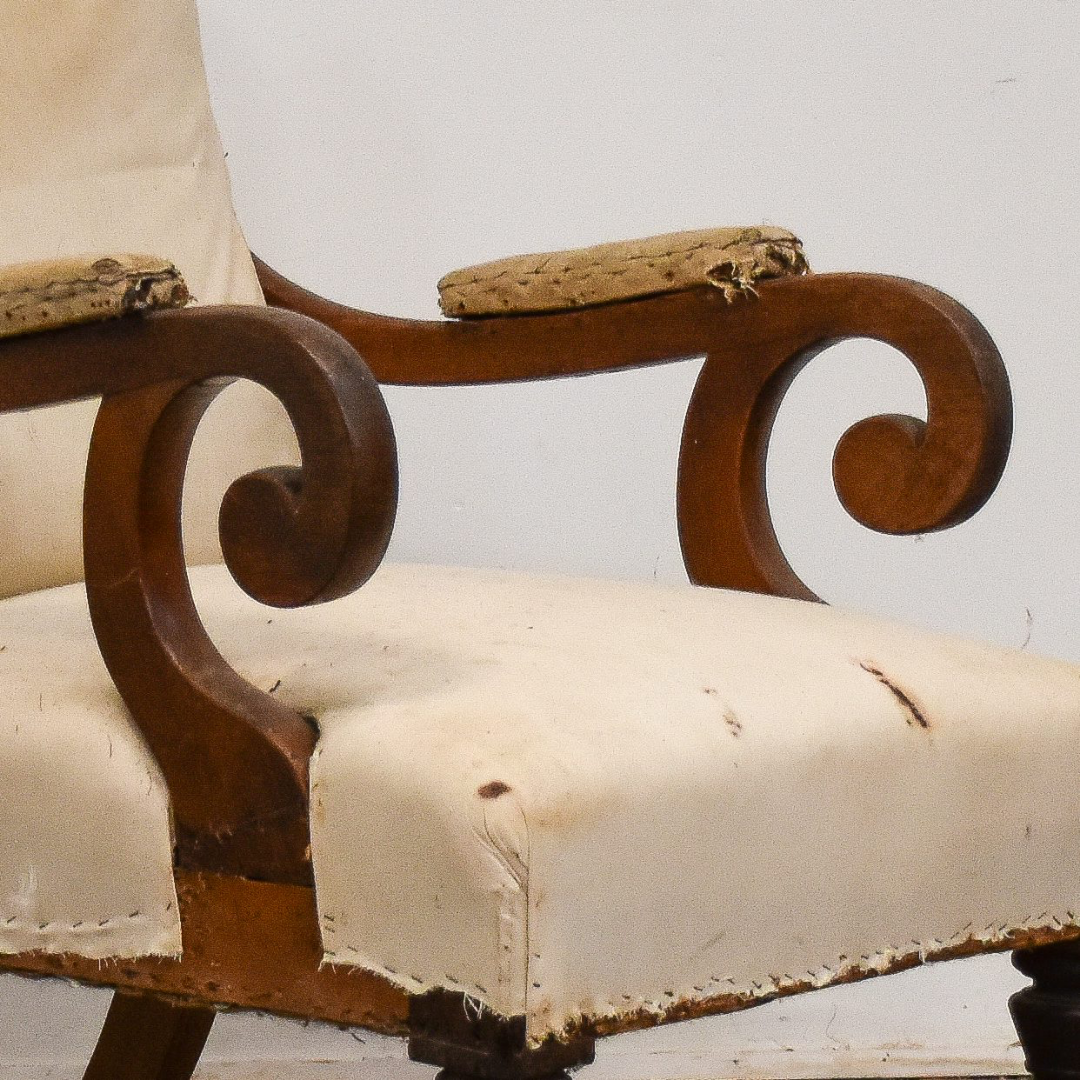
Based in Hallidays Yard in Stamford, Claire Langley works from a 3,500 square foot warehouse and adjoining shop where antique character and modern refinement sit comfortably together. With nearly four decades of experience in restoration, reupholstery and bespoke design, she brings a deeply informed understanding of furniture, proportion and form.
Rooted in traditional British craftsmanship and sustained by long standing relationships with skilled makers, her workshop is defined by exacting standards and lasting quality.
On restoration, refinement and the enduring value of traditional craftsmanship, we speak with Claire Langley.
How would you describe your work?
Our work is a blend of sourcing, restoring, and creating. From antique furniture and decorative garden pieces to bespoke commissions, at the heart of what we do is a commitment to well-made, characterful furniture.
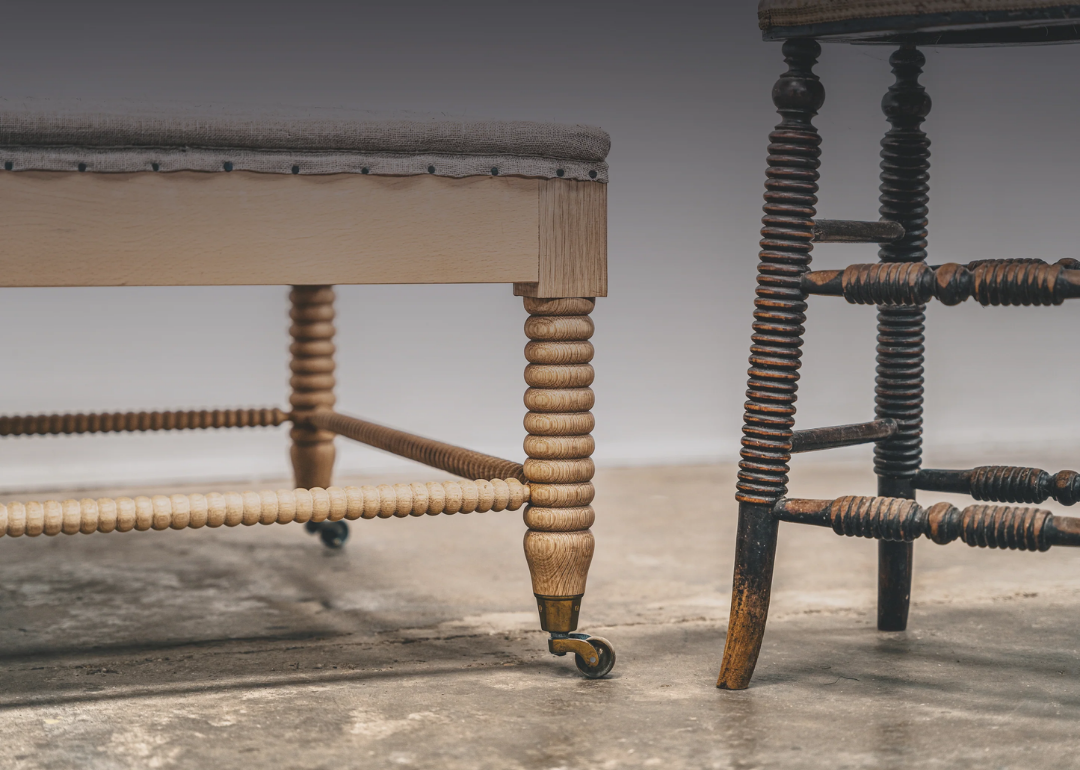
Claire Langley Antiques footstool No 1 in oak. The inspiration for this footstool was taken from a tightly turned bobbin Regency stool, which Claire has hung onto for years.
What’s your signature product?
Our bespoke footstool collection is front and centre right now. We’ve just launched 12 new designs, all built with solid beech frames, a variety of hand-turned leg styles, and brass castors. Upholstered using traditional techniques they reflect a deep respect for craftsmanship. Every footstool is fully customisable and made to any size you like. The options are endless and the result completely personal.
How did it all begin?
I trained as a restorer in Brighton and London before setting up my own restoration business in Cambridge. In 1993, I moved to Stamford and opened my first of three shops a year later. I still get excited by a beautiful old piece or a new commission.
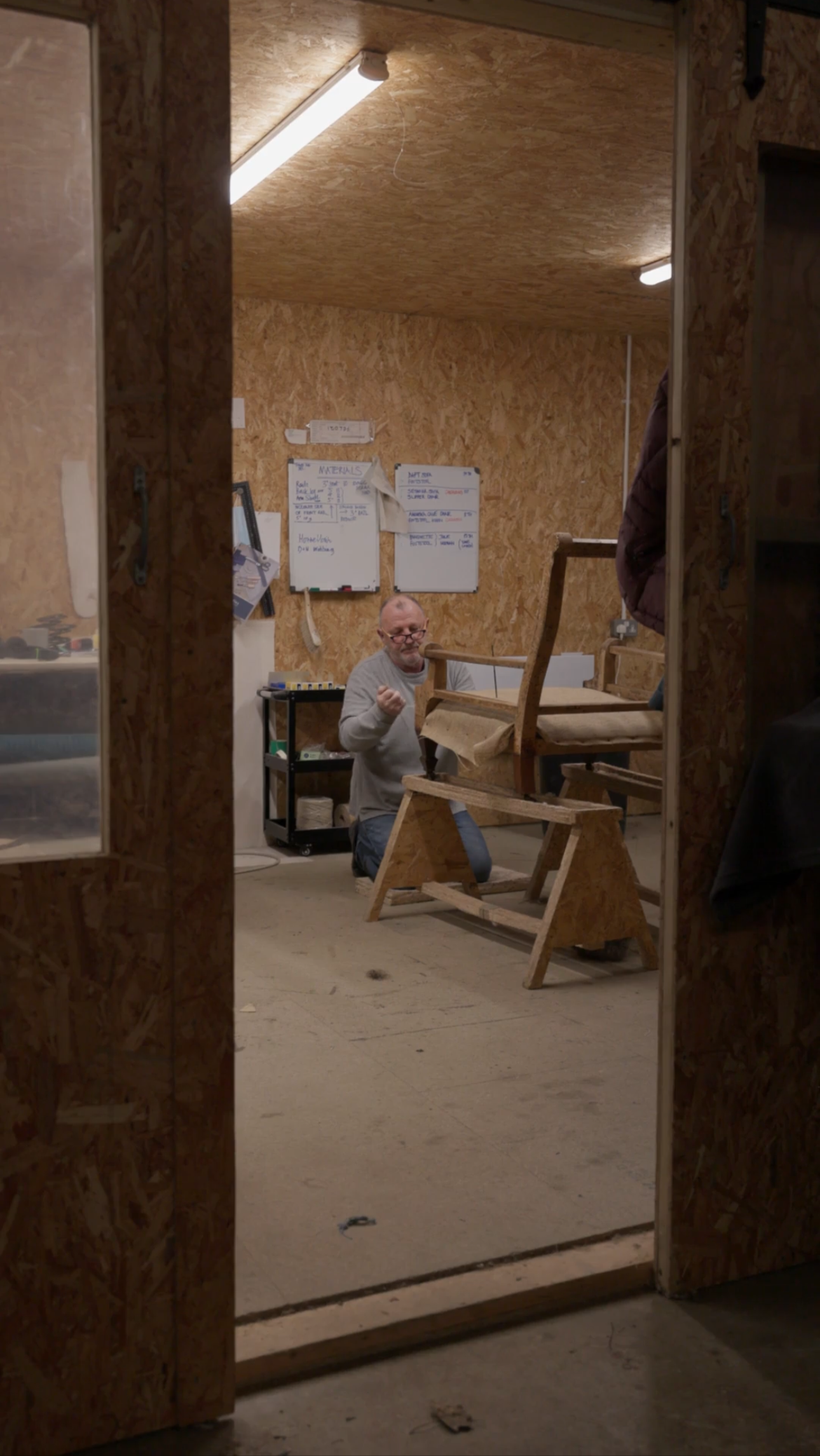
Master upholsterer Alan Watson at work in the Claire Langley workshop, restoring an antique chair by hand.
What’s your favourite part of the process… and the biggest challenge?
The thrill of sourcing. I love setting off in my van, not knowing what I’ll come home with. The biggest challenge is finding skilled craftspeople to carry out the restoration, especially traditional upholsterers, with too few young people entering the profession.
Where do you work from?
Just across the courtyard from the shop, our 3,500-square-foot warehouse houses both our restoration workshop and a trove of period and decorative antiques. Open to the public and trade, it’s a very eclectic space. The shop itself is more curated, showcasing antiques, bespoke seating, lighting, planters, and pieces from local makers.
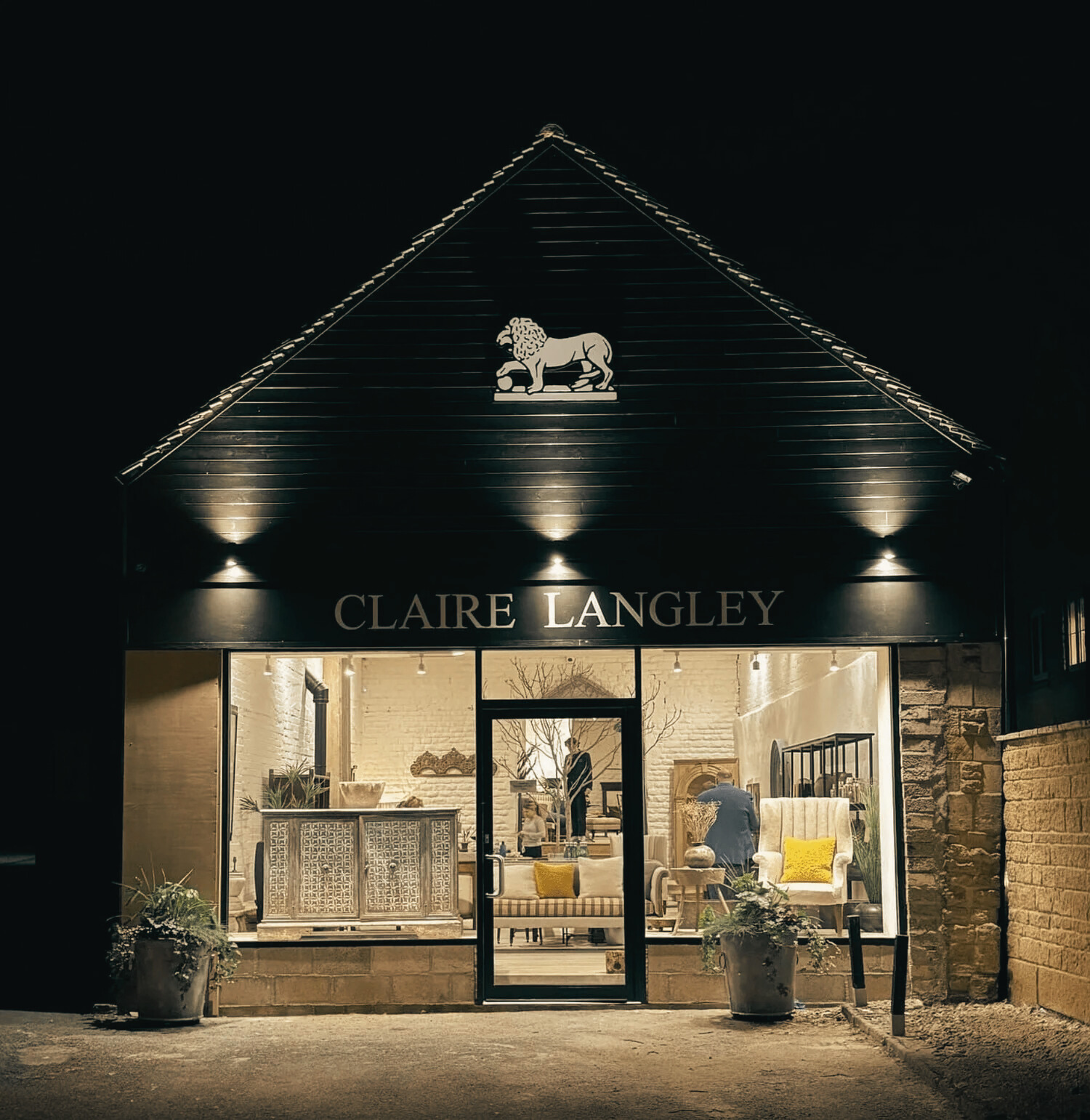
The Claire Langley Antiques showroom and shop in Stamford.
What inspires you?
Good design. I take a lot of inspiration from period interiors, particularly the pared-back elegance of Georgian style, which is reflected in the simplicity of our bespoke work. I’m also inspired by peers in the industry who’ve shaped my approach over the years.
How do you hope people use your pieces?
My wish is for our furniture is used and enjoyed every day, not kept for best. These are pieces designed to be lived with, well-loved, and eventually passed on.
What’s next?
We’re expanding our bespoke seating and collaborating with local craftspeople. Everything we make is available to order or adapt, and we’re always happy to talk about new ideas. Our new garden room brings together our love for outdoor living and decorative antiques. It’s exciting to keep exploring how the shop can grow while staying true to what we do best.
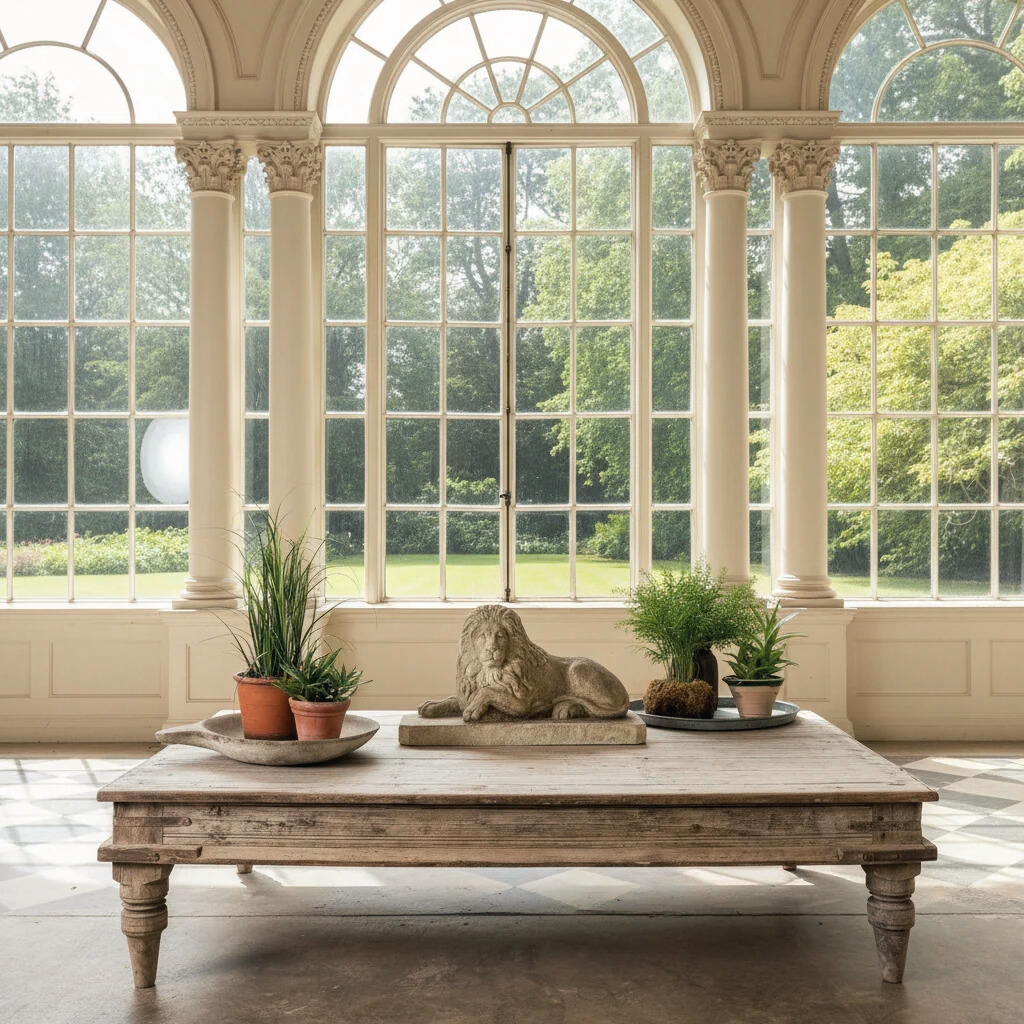
Claire’s eye for antiques and decorative pieces has been honed over a thirty year career, shaped by decades of handling, restoring and living with exceptional furniture.
Contact
T. +44 (0)1780 769333 | +44 (0)7752 919172
Follow. @clairelangley_
Shop
Claire Langley Hallidays Yard, Radcliffe Road Stamford, Lincolnshire, PE9 1ED
Monday & Tuesday: by appointment
Wednesday-Saturday: 10am - 4pm