
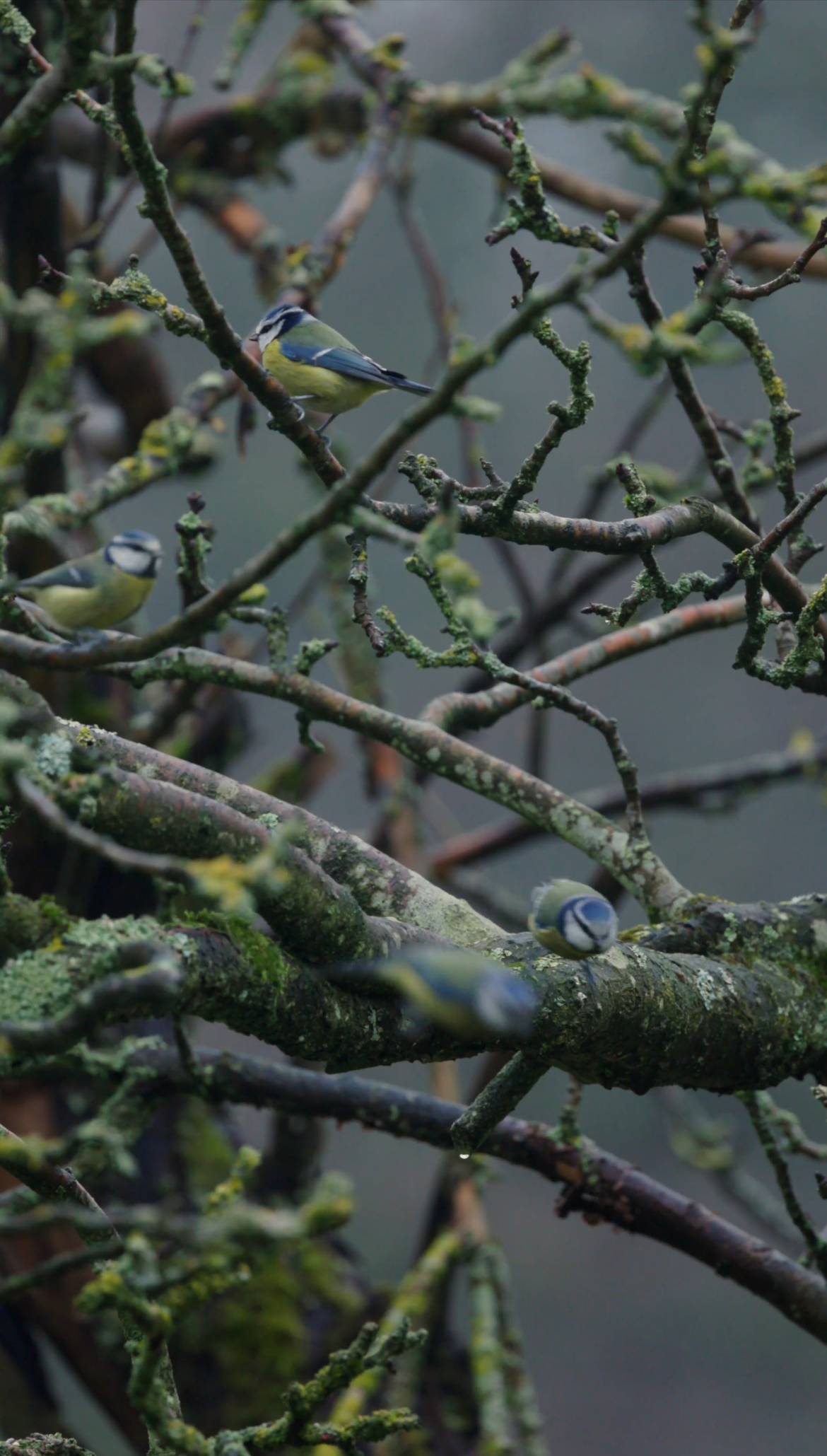
FEBRUARY
February is a month of thaw, when light strengthens, winter eases and life starts to open out.
TIS THE SEASON_
THE RETURN OF LIGHT
February
February sits between winter and spring, defined by small but steady change. Frost clears earlier, light stretches further into the day, and water begins to move again across the landscape.
It has long been recognised as the point when the year begins to turn, not through sudden growth, but through subtle release. Long before spring arrived in colour, people read February through its thresholds, when winter began to ease and thoughts started to turn toward the year ahead.
The season turns
Imbolc falls at the beginning of February and marks the midpoint between the winter solstice and the spring equinox. It traditionally celebrated the return of light and the start of the lambing season. In folklore, it marked the shift from the Cailleach, the queen of winter, to Brigid, associated with light, growth and fertility, symbolising winter beginning to loosen its hold. People visited holy wells to offer blessings for homes and livestock, while fire played a central role, with candles lit indoors and bonfires outdoors reflecting the strengthening sun after midwinter.
The later Christian feast of Candlemas on 2 February became a seasonal checkpoint, used to judge how much winter might remain and when the land would begin to soften. Weather on the day was closely watched, captured in the old rhyme, “If Candlemas be fair and bright, winter will have another bite. If Candlemas brings cloud and rain, winter will not come again.” Homes were aired and cleaned after the darkest months, Christmas greenery was finally taken down, and farmers walked fields, checked drainage and planning spring work. Blessed candles were kept and lit during storms or illness through the year, reflecting the growing importance of light as days lengthened.
The land releases, life shifts
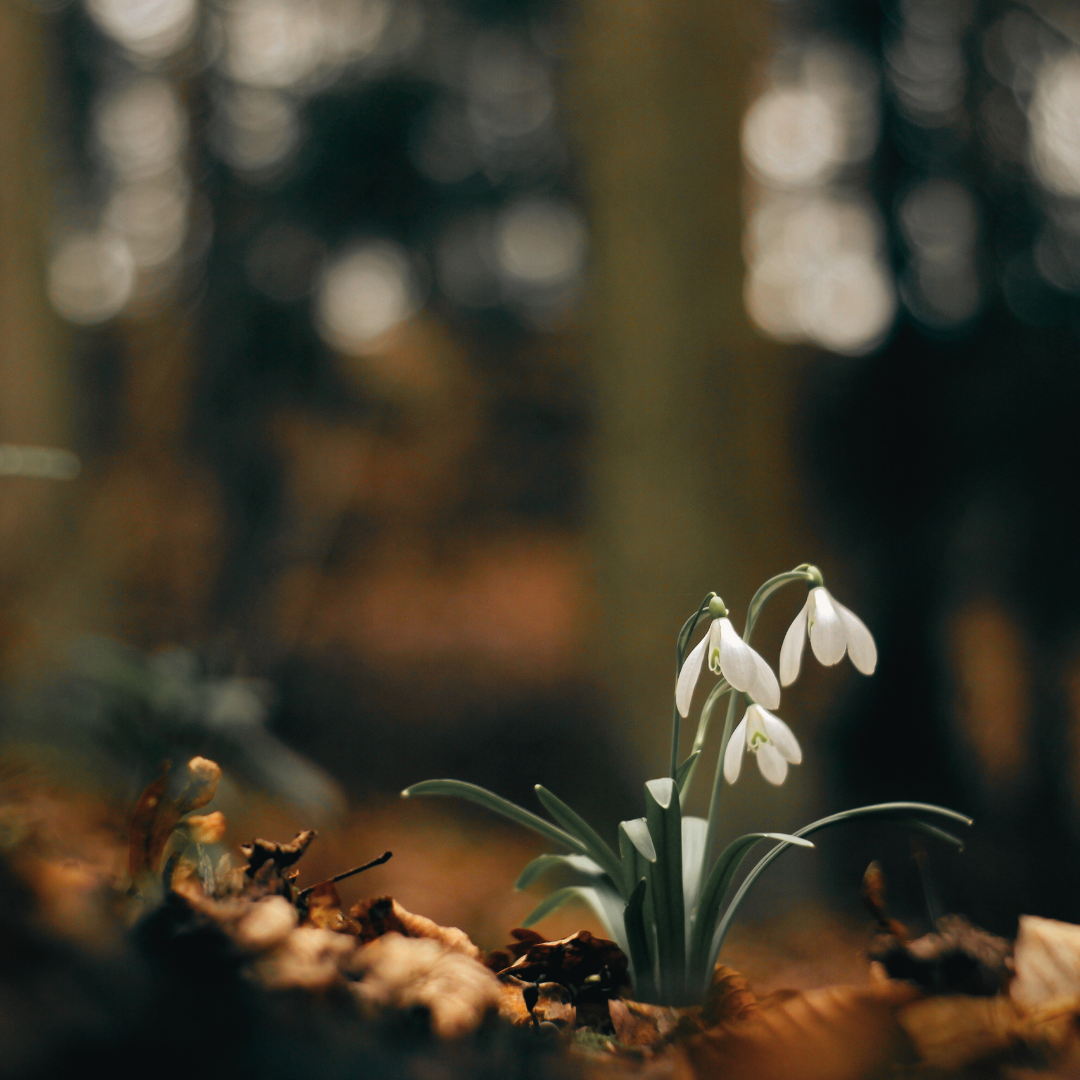
The first signs of thaw appear quietly. Snowdrops surface in gardens and woodland edges. Blackthorn flowers ahead of leaf growth along hedgerows. Moss brightens on stone walls as moisture returns to the air and ground. Buds swell on trees, not yet open, but no longer dormant.
Snowdrops, once known as Candlemas bells, were used as a practical signal that winter was easing and were often left undisturbed as boundary flowers between seasons.
Rivers and lakes rise with meltwater. Low ground holds standing water for days at a time. Evenings stretch noticeably longer as the month progresses.
As the land releases winter, daily rhythms shift with it. Walks extend later into the afternoon. Homes are aired more often. Gardeners begin sowing seeds indoors and preparing for spring. Tools are brought back into use.
With brighter days comes more energy, and February often feels like a more natural moment to look ahead. Goals and intentions begin to take shape not from pressure, but from the sense that the year is opening again after winter’s pause.
February is not spring, but it is the turning toward it, when movement returns, momentum builds, and the first forward steps of the year quietly begin.
RELATED READING
-

DOGS OF THE NOTSWOLDS
Travis and his owner Gary Curtis are a regular sight in the photogenic streets of Stamford. As the aesthete behind @theoldbuilding, Gary documents the town’s historic corners and changing light. Together they cover the town day after day, capturing the weathered stonework, painted doors and layered architecture that gives Stamford its character.
-
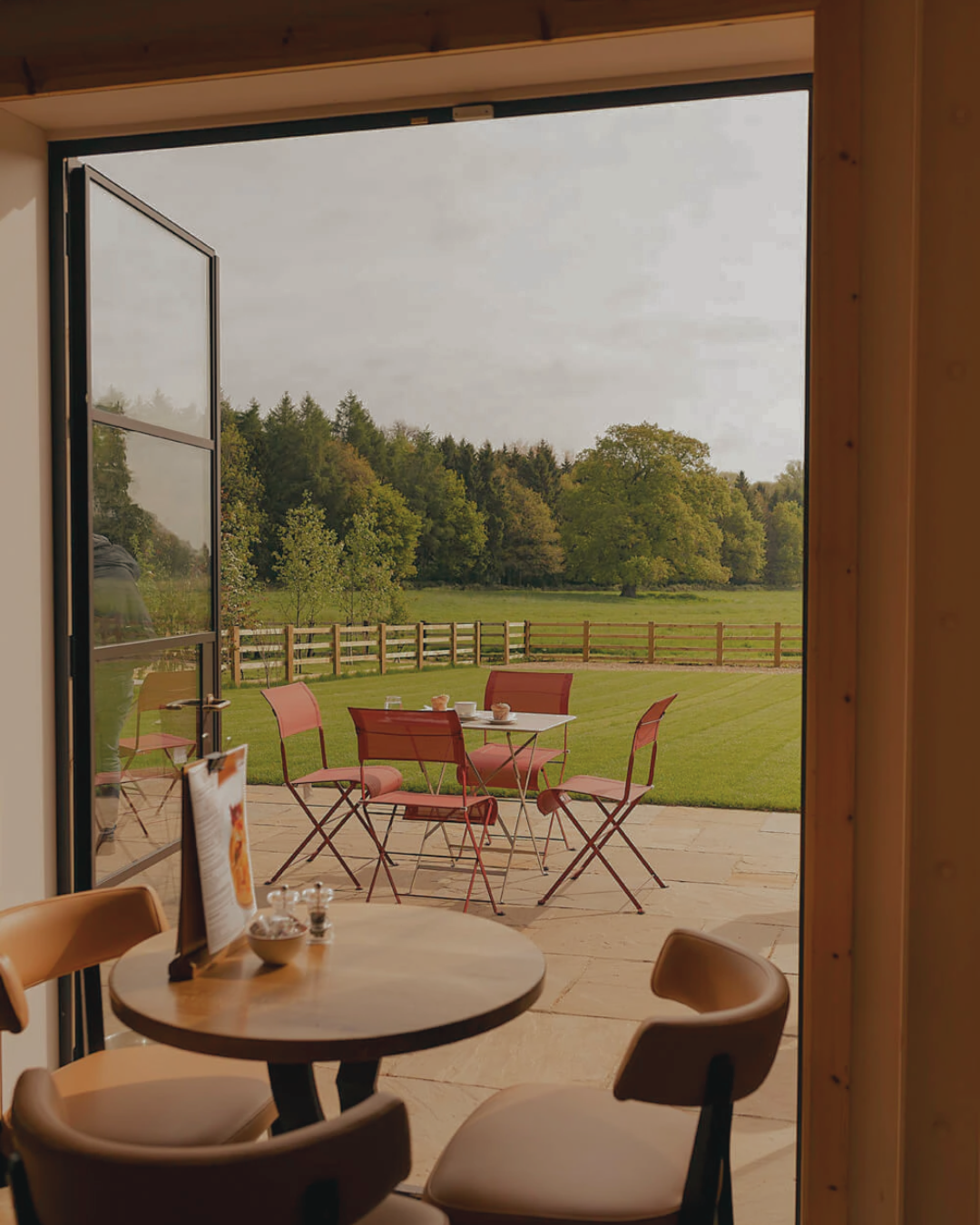
OUT OF TOWN EATS
Some of the best ways to experience the Notswolds happen beyond the town centre. Scenic destinations that bring together landscape, good food and often a little more, whether that’s gardens, shops, wellness spaces or room simply to wander. Chosen for this point in the year, when the countryside begins to open up again.
-
WHAT'S ON IN FEBRUARY
A curated guide to what’s on across the Notswolds. Standout dates and regular happenings at some of our favourite venues, gathered to help you plan the months ahead in this corner of the countryside.