
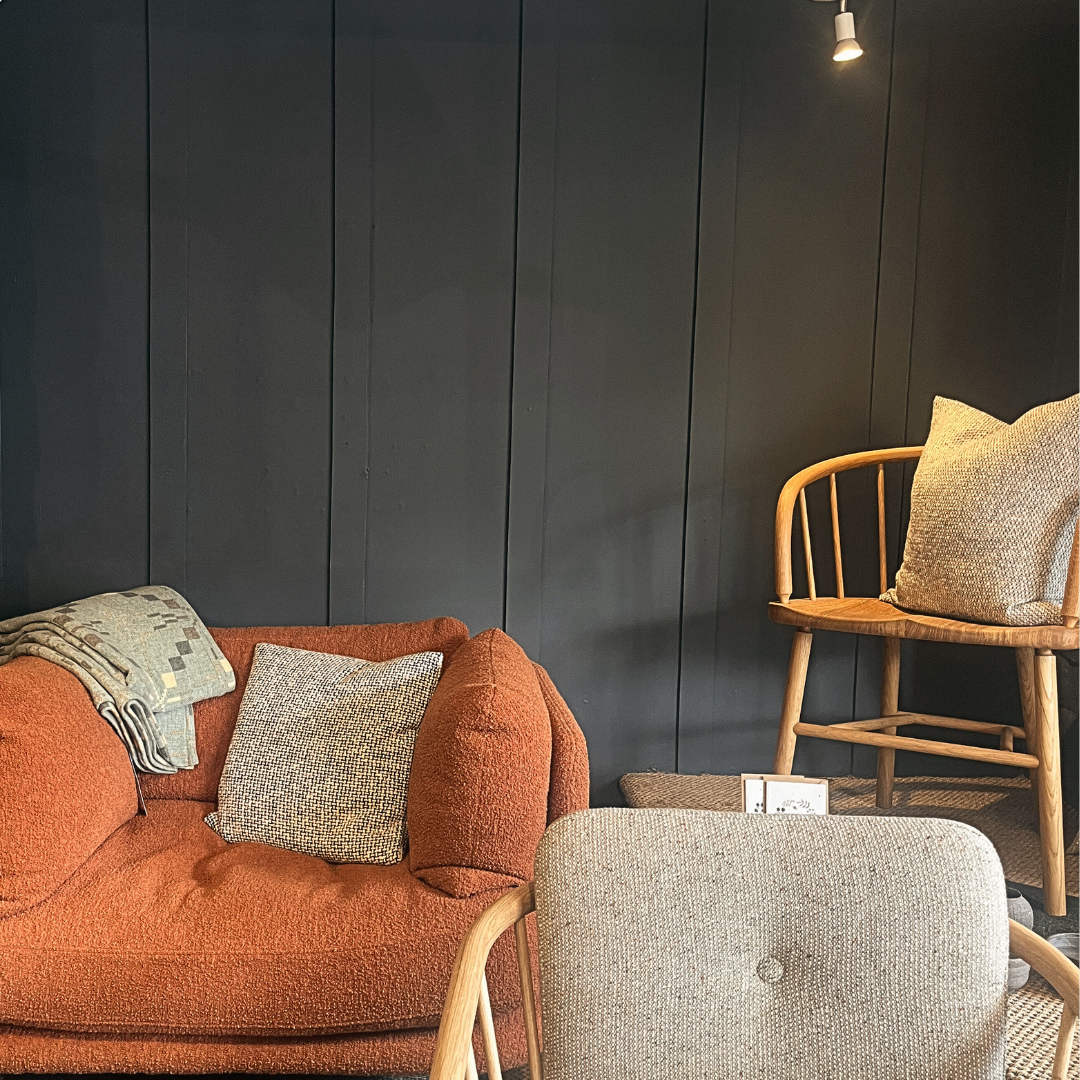
10 WAYS TO SUPPORT INDEPENDENT MAKERS AND BUSINESSES THIS SPRING
FIELD NOTES_
10 WAYS TO SUPPORT INDEPENDENT BUSINESSES
Independent bookshops. Florists who work with local, seasonal stems. Makers working in studios off the high streets, producing small runs, limited editions and pieces that carry the mark of a human hand. These are not charming extras. They are the backbone of local life. The people that give the most compelling places their character.
We love places like this. We value craft, individuality and effort. We admire small businesses and we like knowing who we are buying from. Yet in the rush of daily life, convenience often wins. Dates creep up on us. Time is short. The supermarket has everything. That app delivers tomorrow. The algorithm makes it easy.
Small businesses are everywhere. They are economically significant. But they are individually fragile. And without everyday support, they disappear. Strip them away and the shopfronts empty, skills disappear and towns lose their character.
Their survival often rests on very ordinary decisions.
For example, if every adult in the UK bought just one £40 birthday gift each year from an independent maker rather than a global retailer, that would inject well over £2 billion directly into small creative businesses. Yet the real appeal is more personal than economic. It means knowing where your money lands.
One gift. Once a year. Billions back into workshops, studios, family shops and into the hands of someone whose work you admire.
That is the scale of small change.
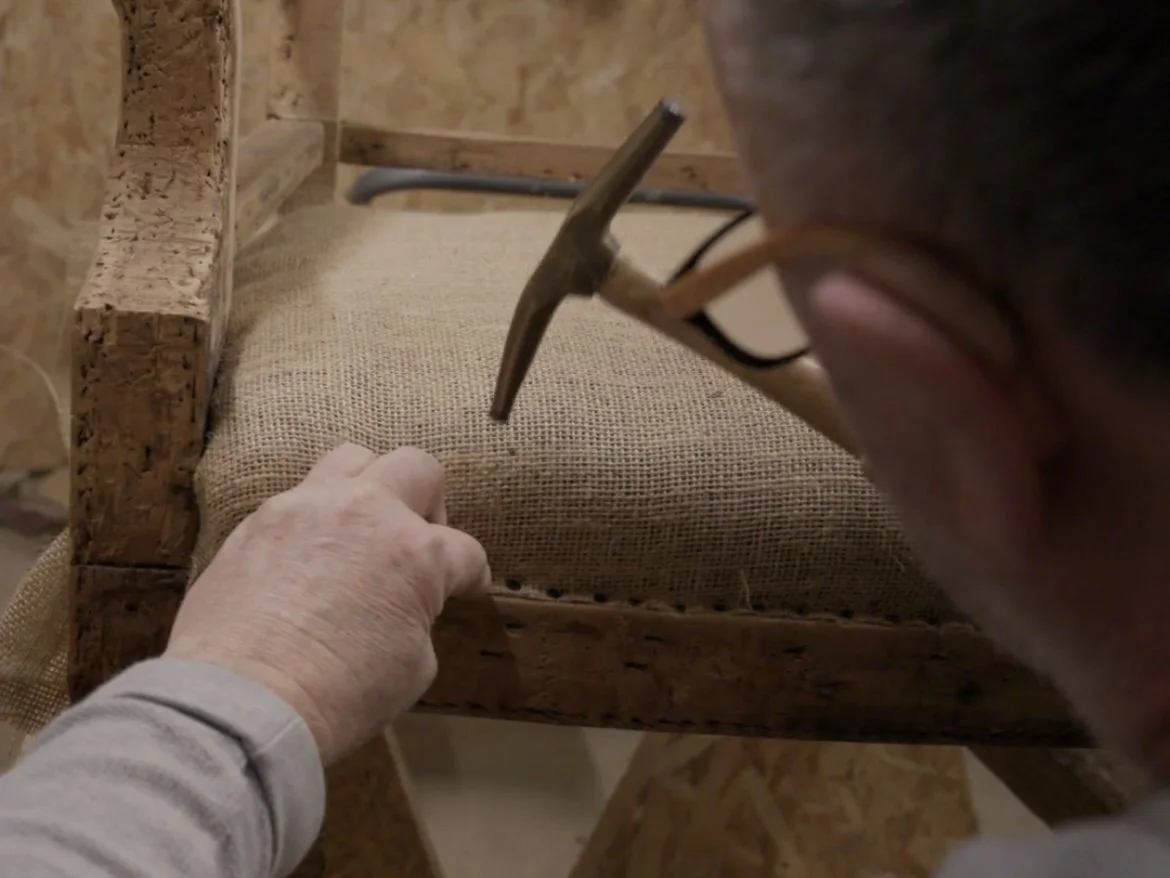
Choosing to reupholster, instead of replace a chair keeps traditional skills in circulation. Alan Watson, of Claire Langley Antiques in Stamford, has been an upholsterer for 49 years. clairelangley.co.uk | @clairelangley_
Small changes that shape a place - and a nation
Supporting independent businesses rarely requires dramatic change. More often it is small adjustments. A little more planning. Maybe buying less but better. Noticing something beautiful when you see it and choosing it before the need is urgent.
One of the simplest shifts has been buying gifts when we see them, rather than the familiar panic just before we need them. We know how that usually ends. If I come across something I know someone will love, I’ll get it, even if their birthday is months away. There is something deeply satisfying in having something thoughtful set aside, rather than buying in haste. Many artists and makers release work in limited quantities, and release at intervals throughout the year. Joining mailing lists and following studios online means you can secure something meaningful rather than settling for something convenient.
Small changes add up. Greetings cards from an illustrator. Coffee from an independent café. A real book chosen slowly from a shelf. These decisions ripple outwards. They sustain livelihoods, keep skills alive and ensure that our towns remain varied, human and interesting.
It is one of the little ways we can shape the places we love.
If you want to support small businesses more in 2026, here’s where we’d start…
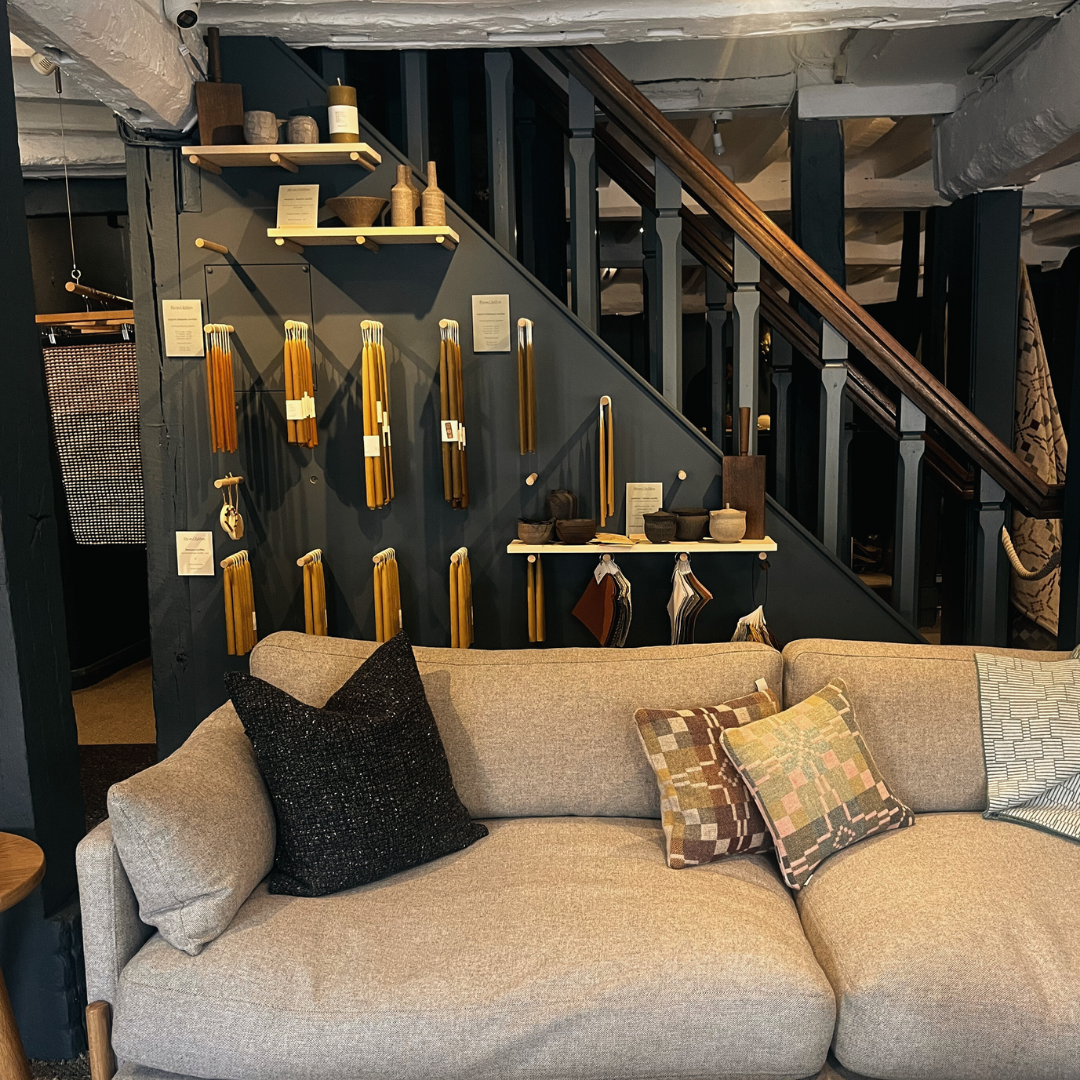
Above and top: fōrm&blōm on Mill Street in Oakham opened in 2025 specialising in British-made furniture, refined homeware, and seasonal flowers. formblom.co.uk | @form.blom
1. Follow, like, comment, share and subscribe
For small businesses, online visibility is currency. Social platforms prioritise accounts that receive saves, comments and shares. A single shared post can expose a maker to hundreds of new potential customers. Joining a mailing list matters even more. Email lists are often where limited releases are announced and where sales actually happen. If you admire someone’s work, active engagement is one of the simplest forms of support. Every new supporter is a tiny celebration for an independent business.
2. Share where you’ve been
Independent businesses rarely have large marketing budgets. Most rely on reputation and repeat custom. Posting about a café, shop or studio after you visit gives them free exposure to a relevant audience. In smaller towns especially, this can translate quickly into footfall. Personal recommendations are more trusted than paid advertising. A few consistent mentions from real customers often do more than a formal campaign.
3. Choose the independent coffee shop.
The difference between a chain and a single-site café is often only a few steps. One supports shareholders, the other supports families and staff rooted in your community. The margin on a cup of coffee is small. Volume keeps a café afloat. Choosing the independent option regularly, rather than occasionally, contributes to stable cash flow. That stability pays wages, covers rising rents and allows owners to plan beyond month to month survival. Independent cafés also tend to source locally where possible, multiplying the economic effect. Your daily habit has measurable impact.
4. Batch buy greetings cards when you see them
Pop into the shop you always walk past and pick up a small selection. You will use them. Cards are low-cost, high-impact purchases. Many are produced by freelance illustrators and small print studios. Stocking up when you see designs you like spreads income across the year rather than concentrating it in peak seasons. For small creative businesses, these steady smaller transactions often provide essential baseline revenue. And you always have beautiful cards when you need them.
5. Buy a real book from a real bookshop
Take your time. Browse. Ask for recommendations. IRL bookshops curate with care and host events that enrich local culture. Purchasing even a few books a year in person supports their ability to remain open. Bookshops often act as community anchors, hosting events and fostering local networks. When one closes, it rarely returns. Independent bookshops operate on tight margins and compete directly with online discounting. A conscious decision to buy locally helps preserve both retail diversity and cultural life.
6. Rethink seasonal shopping
At Easter, buy chocolate from a local deli or chocolatier. At Christmas, source crackers or decorations from a small maker. Intentional spending is more joyful and impactful. Seasonal purchases represent predictable spending. Redirecting that spend makes a tangible difference. Small producers typically operate without the scale advantages of supermarkets. Their survival depends on customers choosing them deliberately rather than incidentally.
7. Order flowers from a florist
For Mother’s Day or any occasion, order from an independent florist. You’ll get fresher stems, seasonal blooms and unique arrangements. Supermarket flowers are priced for volume and uniformity. Florists provide expertise, conditioning and design. The price reflects skilled labour, not just stems. Florists work with perishable stock and fluctuating demand. Regular custom, especially around key dates, determines whether they remain viable year to year. Ordering locally often supports local growers and wholesalers as well. It also results in something far more individual.
8. Be thoughtful about gifting
When your birthday approaches, direct friends and family towards the makers you admire. It introduces new customers and ensures you receive something meaningful. Gift lists need not be transactional. They can be a form of advocacy. Over time, these introductions expand audiences in meaningful ways.
9. Refresh rather than replace
Repair and restoration trades are declining in many areas due to lack of demand. Choosing to reupholster a chair, repair a lamp or alter clothing keeps these skills in circulation. These trades depend on consistent local custom. Without it, knowledge is lost. Repairing often costs less than full replacement over the long term and preserves quality materials already in use. Secondhand shops and platforms offer pieces with history and quality, often for a song. Saving these pieces with the help of a skilled craftsperson is both practical and a direct investment in local trades.
10. Invest in heirloom pieces
When you can, buy art, furniture or objects you plan to keep and pass down. These purchases often cost more initially but offer decades of use and support skilled craftspeople whose skills take years to refine.The also reduce the cycle of replacement and help keep creativity and craft alive for future generations. Buying once and buying well is both sustainable by design, and cultural preservation.
None of this is about perfection. It’s about intention. Small changes, made often, are powerful — for the places we love and the people who make them unique.
RELATED READING
-
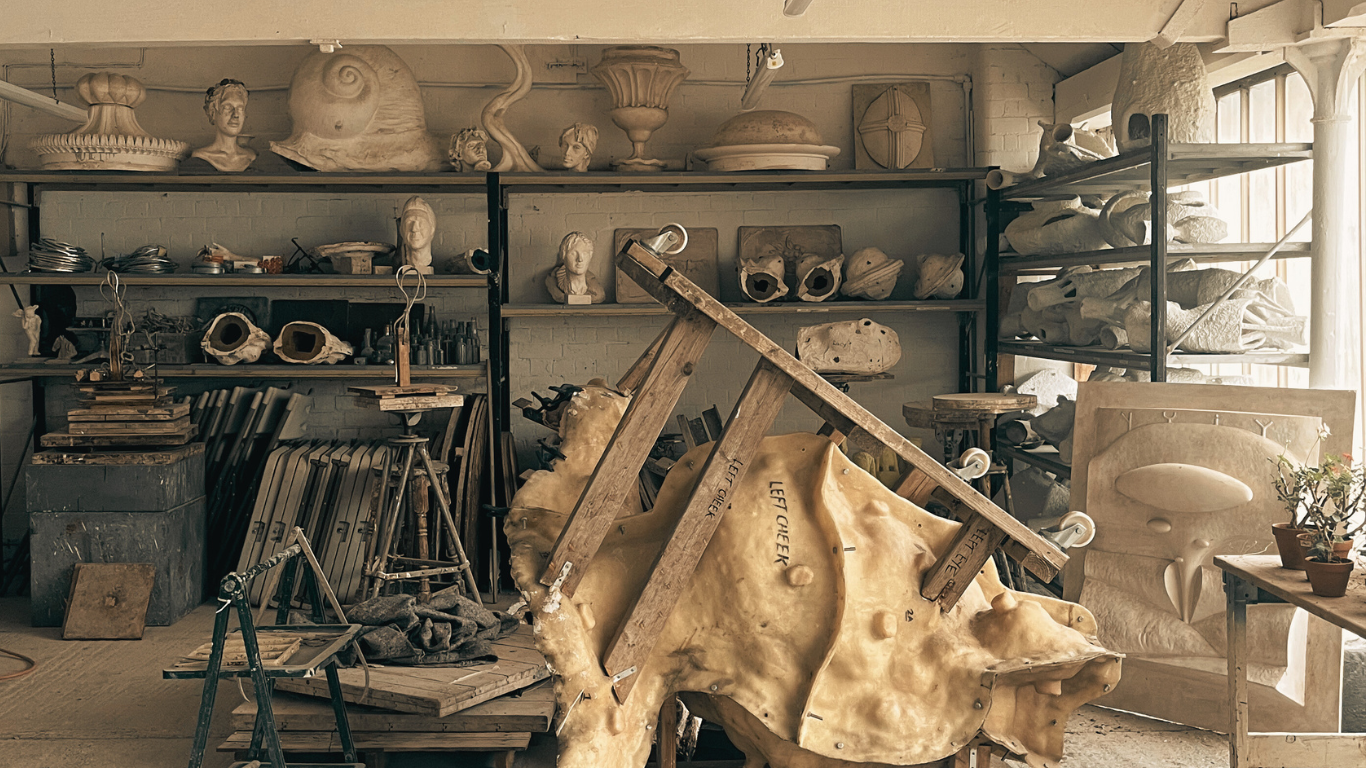
MAKERS OF THE NOTSWOLDS
Our dedicated platform for the craft and design culture of this region. Created for those who care about how things are made and why, it brings together the studios, workshops and small businesses shaping this corner of England.
-
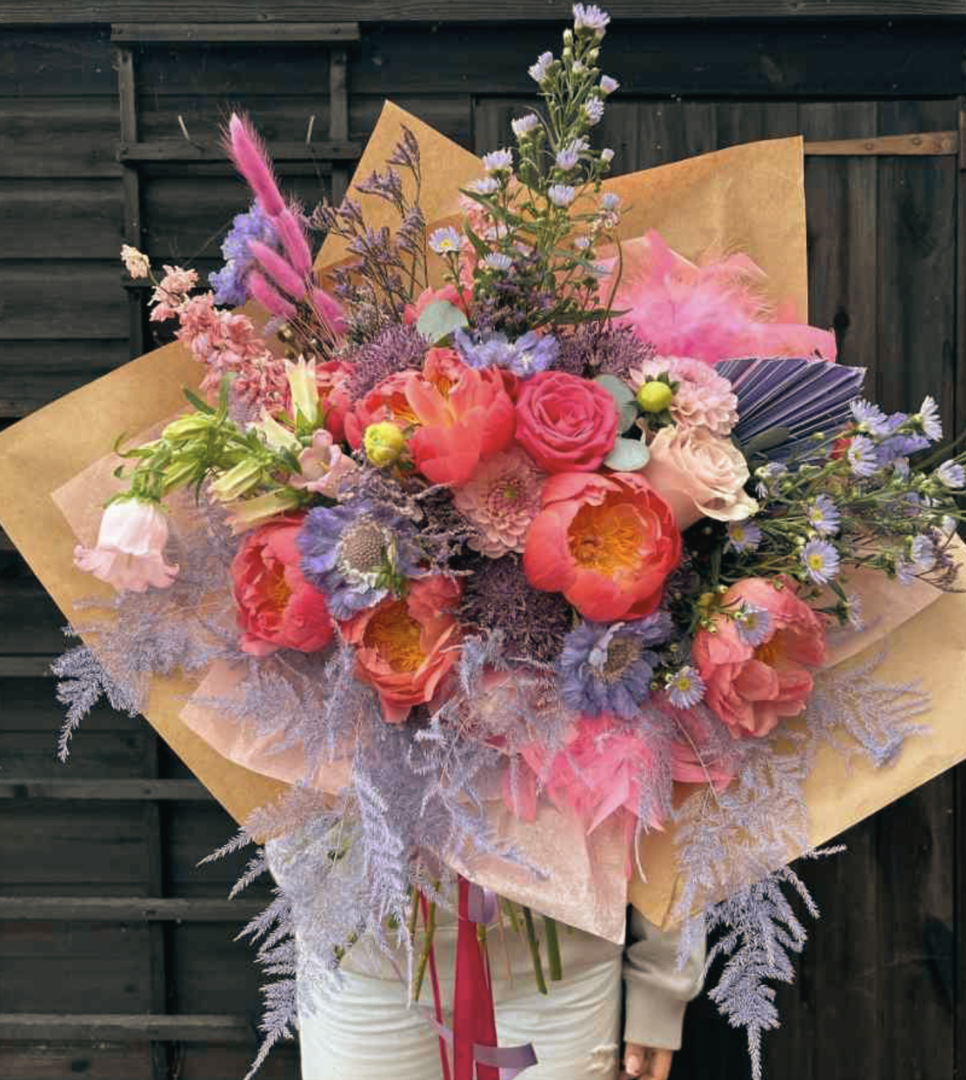
MOTHER'S DAY FLOWERS
There is a lot of talk about flowers as Mother’s Day approaches on Sunday 15 March. It is one of the busiest weekends of the year for florists. But not all bouquets are created equal. Here is our guide to the best independent florists in the Notswolds.
-
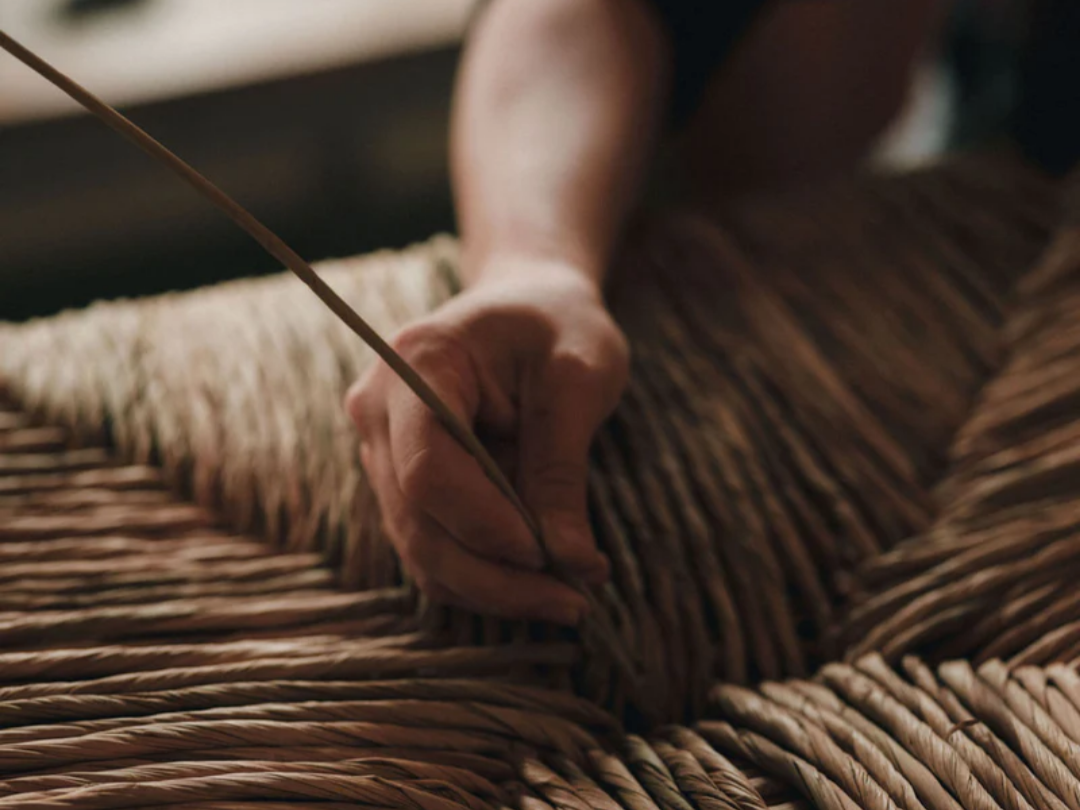
THE SUMMER MAKERS MARKET
A ten-day celebration of craft rooted in local making, the Notswolds Summer Makers Market brings together the leading independent artisans, craftspeople and makers from across the region. Built around our belief in good work by good people, and in creating space for ideas, conversation and connection.