
WE ARE NOTSWOLDS
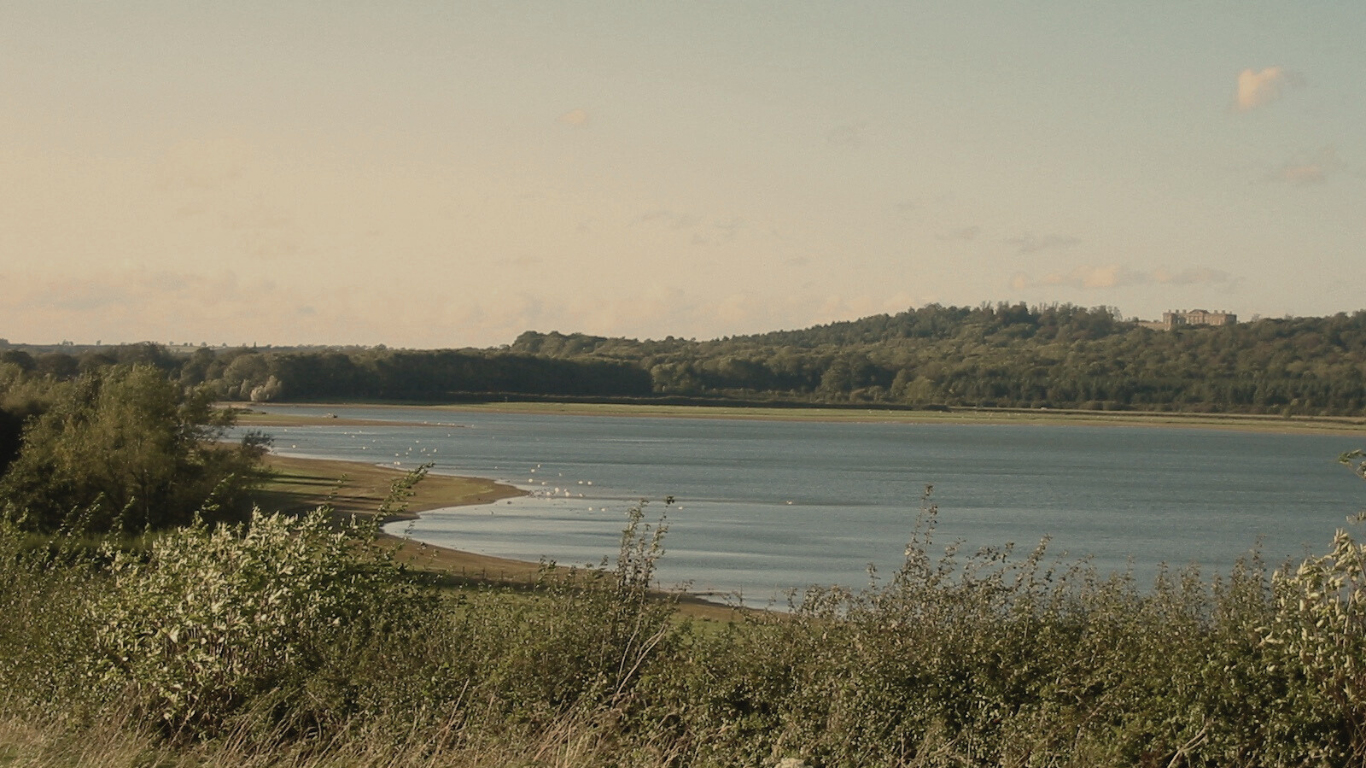
Defined by light, space and long horizons, the southern edge of Lincolnshire opens into one of England’s most productive landscapes.
The pale limestone quarried from this land has shaped the nation’s finest architecture. Wide working fields stretch beneath big skies in a county long known as the nation’s larder. In Lincolnshire, land is not backdrop but foundation. Where food, form and daily life remain closely tied to the earth.
COUNTY AT A GLANCE
-
ENGLAND'S PANTRY
around 90% of Lincolnshire is agricultural land, making it one of the most intensively and productively farmed counties in England.
-
SHAPED BY COAST AND HORIZON
Lincolnshire has over 50 miles of coastline, from salt marshes to wide sandy beaches, giving it one of the longest and least crowded coastal edges in eastern England.
-
SPACE, SCALE AND VALUE
Despite its size and productivity, average house prices remain well below the national average, reflecting low density settlement and long protected open landscapes
A county defined by land, horizon and quiet national importance.
300 words about the region…
Lorem ipsum dolor sit amet, consectetur adipiscing elit. Nullam ut nisi ac nisl tempus bibendum. Quisque at nisl mattis, commodo sapien et, lobortis velit. Donec aliquet consequat sapien vel consequat. Duis eu euismod odio, quis vehicula tellus. Vestibulum ante ipsum primis in faucibus orci luctus et ultrices posuere cubilia curae; Nam sagittis scelerisque tincidunt. In non ex eget orci rhoncus scelerisque. Quisque et ante quam. Integer ultrices mi risus, quis ullamcorper dui viverra sed. In hac habitasse platea dictumst. Integer gravida est sit amet lorem gravida, ut luctus nulla tincidunt. Aenean consequat, ipsum vel interdum sagittis, tortor purus varius lacus, laoreet aliquet libero turpis vitae quam. Integer in elit ex.
Fusce velit massa, dapibus id ipsum quis, fringilla tempus nibh. Mauris sed augue imperdiet, vehicula tortor eu, tristique leo. Lorem ipsum dolor sit amet, consectetur adipiscing elit. Vestibulum placerat ante vitae porta cursus. Suspendisse potenti. Cras molestie dapibus odio non vehicula. Sed sagittis urna a dictum hendrerit. Mauris vitae vestibulum metus, ac vestibulum ante. Integer interdum ligula ipsum, sit amet euismod dolor pulvinar in. Nulla cursus nulla vitae augue placerat rhoncus. Integer in nibh sit amet nisi euismod blandit ac nec turpis. Vivamus finibus tristique arcu et pharetra. Duis sed iaculis ex. Donec id venenatis eros. Donec blandit lorem a erat rhoncus tincidunt.
Ut euismod auctor tincidunt. Orci varius natoque penatibus et magnis dis parturient montes, nascetur ridiculus mus. Nunc sed sapien ut massa scelerisque suscipit at nec turpis. Aenean sollicitudin, neque porta eleifend vulputate, nisl neque iaculis diam, ullamcorper venenatis augue quam sed est. Etiam ornare, nibh non posuere posuere, felis justo vestibulum turpis, et luctus nisi lorem non arcu. Aliquam enim quam, iaculis eu velit vitae, egestas ornare mi. Pellentesque ut diam sapien. Fusce id lacus vitae nibh vestibulum vehicula ut vel libero. Sed tincidunt dapibus eros id.
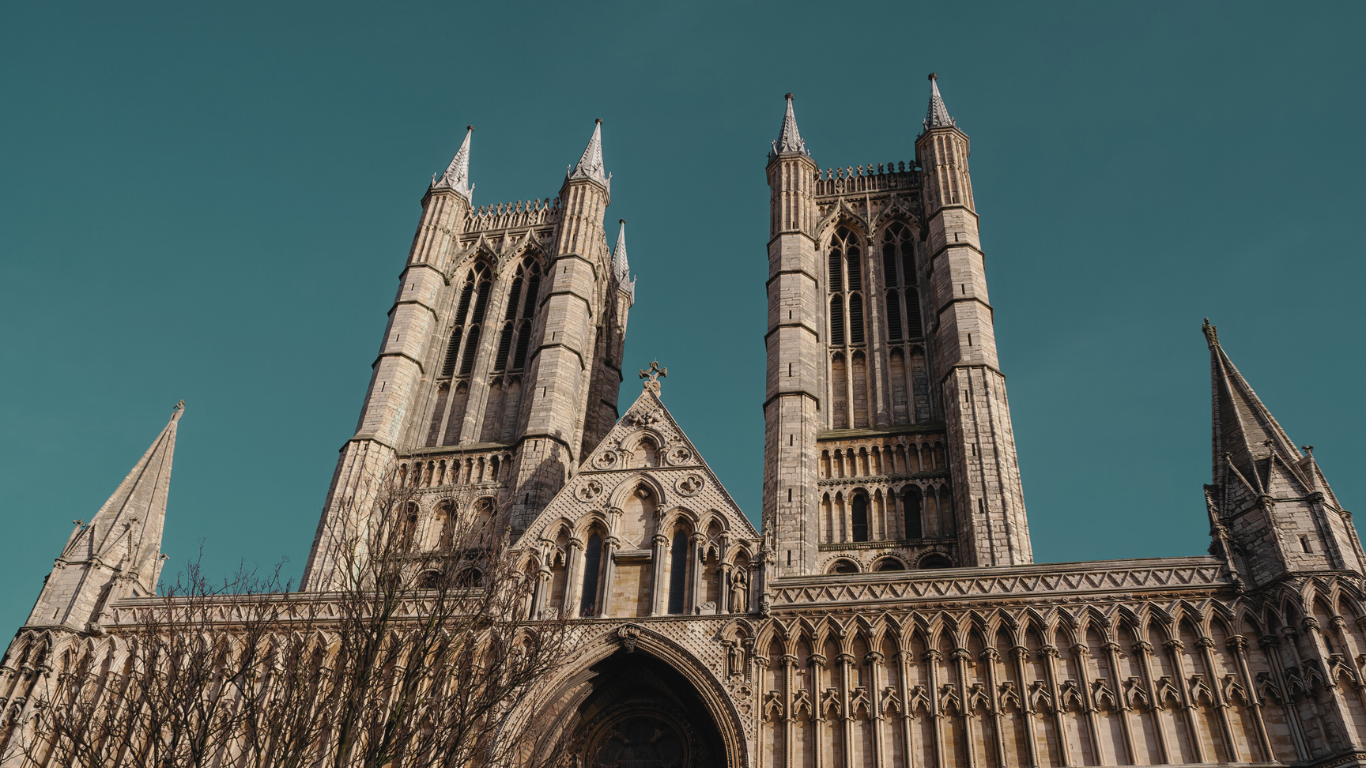
Lincoln Cathedral was once the tallest building in the world
It remains one of the finest Gothic cathedrals in Europe. One of the four surviving original copies of the Magna Carta is housed here, anchoring Lincolnshire at the centre of English legal and political history.
The history of the Notswolds is written less in monuments than in work. This is a region shaped by what people made, grew, stitched, cut, drained and carried, often quietly and at scale. Its landscape tells the story first. Fertile soils supported arable farming and market gardening that fed towns far beyond the region. Low lying land demanded drainage, pumping and constant maintenance, turning water management into a defining skill rather than a background task. Elsewhere, stone, clay and timber shaped villages through building trades that favoured durability over display.
Market towns grew around exchange rather than spectacle. Wool, cloth and leather moved through them, funding churches, guilds and civic life. Shoemaking in Northamptonshire, framework knitting and lace in Leicestershire and Nottinghamshire, and large scale food production in Lincolnshire created skilled workforces rooted in place. Much of this labour was domestic or small scale, carried out in homes and workshops alongside daily life, embedding skill into families and communities.
What unites the region is not a single industry but a shared ethic of usefulness. These trades were practical responses to land, climate and demand. They left behind not just products but patterns of settlement, working rhythms and a culture that still values making, repair and continuity over novelty.
-
ARABLE FARMING
Lincolnshire has long been one of England’s most productive farming counties, known for cereals, vegetables and livestock. Its flat, fertile land supported large scale arable farming that fed towns and cities far beyond the county.
-
MARKET GARDENING
The county became a major centre for commercial vegetable production, supplying national markets with crops grown in open fields rather than small plots.
-
MEDIEVAL WOOL TRADE
In the medieval period, Lincolnshire’s wealth was driven by the wool trade. Market towns such as Stamford grew prosperous through trade routes linking the county to Europe, funding churches, guilds and civic buildings.
-
BUILDING TRADES AND STONE WORK
Local stone and brick were used extensively in churches, farm buildings and market towns, giving Lincolnshire its distinctive architectural weight and coherence.
-
LAND DRAINAGE AND WATER MANAGEMENT
Managing water has been a defining skill. Drainage, embankment building and pumping transformed marshland into workable farmland and reshaped settlement patterns across the county.
-
FISHING AND COASTAL INDUSTRIES
Along the coast, fishing shaped skills, labour and community life, with generations working at sea or in processing and associated trades.
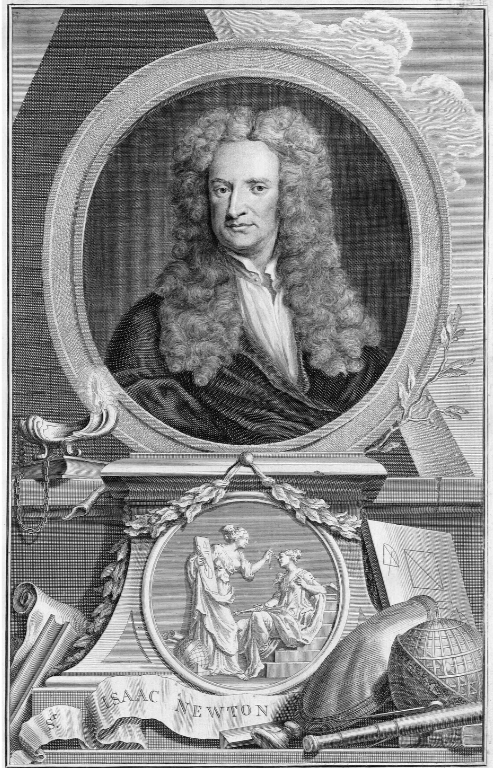
Lincolnshire is the birthplace of Sir Isaac Newton.
Born at Woolsthorpe Manor near Grantham in 1643. It was here, while sheltering from the plague, that Newton developed ideas about gravity, motion and light that would later transform science, rooting one of the world’s most influential minds firmly in the Lincolnshire countryside.
GETTING HERE
Wide, open and expansive, Lincolnshire stretches from limestone hills to long coastline.
-
BY ROAD
The Notswolds is well connected by long-distance routes while remaining largely rural.
• From London via the A1 or M1 depending on destination, around 1.5 to 2.5 hours
• From Oxford via the M40 and A43, around 1.5 to 2 hours
• From Birmingham via the M1 or A14, around 1 to 1.75 hours
• From York via the A1, around 2 to 2.5 hours -
BY RAIL
The Notswolds is well served by north–south main lines, with a number of market towns and smaller centres accessible directly by train.
• Grantham on the East Coast Main Line, with fast services to London and York
• Peterborough on the East Coast Main Line, connecting north and south
• Leicester on the Midland Main Line, with direct services to London and the Midlands
• Nottingham on the Midland Main Line and regional routes
• Kettering and Wellingborough, both with direct London servicesLocal rail connections
The Leicester–Peterborough line serves Melton Mowbray, Oakham and Stamford, linking market towns directly with Peterborough and onward mainline services.From these hubs, local rail and short car journeys connect into surrounding countryside and market towns
-
BY AIR
Several major airports are within easy reach for international and long distance travellers.
• East Midlands Airport sits just outside the region and is the most convenient option, around 30 to 45 minutes by car from much of Leicestershire, Nottinghamshire and Rutland
• Birmingham Airport is around 1 hour by car, serving the western side of the region
• London Heathrow Airport is around 1.5 to 2 hours by car, with onward rail connections via LondonOnward travel by train or car connects easily into market towns and countryside across the region.